Nous sommes responsables de la construction-----nous sommes responsables de la fabrication-----nous sommes responsables de la formation

Manual sheet handling slows production, creates errors, and wastes valuable floor time. When factories process coil material with separate machines, each transfer adds cost and risk. An automatic coil-to-cut production line helps manufacturers connect feeding, leveling, laser cutting, blanking, and stacking into one smarter workflow.
An automatic coil-to-cut production line processes steel coil into accurate blanks through coil feeding, leveling, laser cutting, shearing, and stacking. Compared with traditional cutting methods, it helps sheet metal factories improve precision, reduce manual handling, automate coil processing, and increase production efficiency for cabinets, HVAC parts, enclosures, appliances, and OEM metal components.
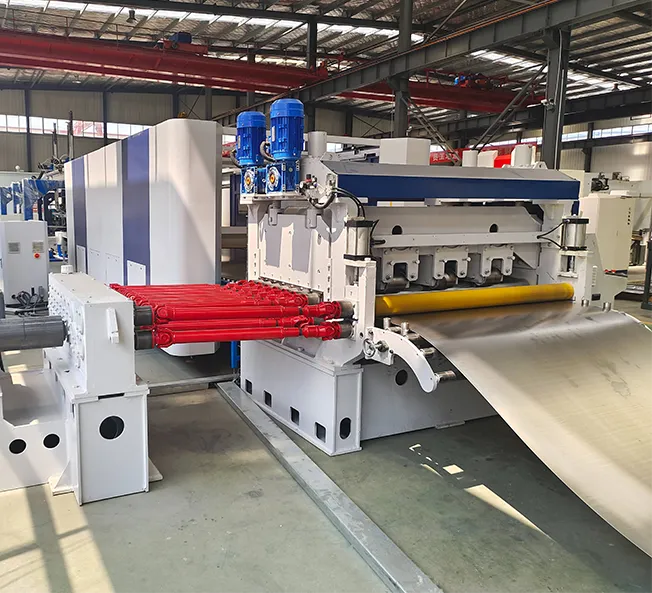
Déroulage-Nivellement
1. What Is an Automatic Coil-to-Cut Production Line?
2. How Does a Coil Processing Line Work from Coil Feeding to Blank Stacking?
3. Why Is a Cut to Length Line Important for Steel Coil Processing?
4. How Do Laser Blanking Lines Improve Precision and Efficiency?
5. What Materials Can a Coil Cutting Line Process?
6. Coil Cutting vs Traditional Cutting: Which Method Fits Your Factory?
7. What Are the Key Modules in a Coil Fed Laser Blanking System?
8. Which Industries Use Automatic Metal Coil Processing Equipment?
9. How Can Advanced Coil Processing Reduce Labor and Waste?
10. Why Choose STON for Customized Coil Processing Line Solutions?
An automatic coil-to-cut production line is a sheet metal automation system that turns a steel coil into ready-to-use flat blanks or shaped parts. It usually includes coil loading, uncoiling, coil straightening, leveling, feeding, laser cutting, shearing, receiving, sorting, and automatic stacking. In simple words, the line takes the coil, makes it flat, cuts it, and sends the finished blank to the next process.
For many factories, this process replaces old sheet-by-sheet handling. Instead of loading separate plates into a cutting machine again and again, the factory can process coil material continuously. That means fewer stops, less manual movement, and better production speed. Clean and simple. Very factory-friendly.
In modern sheet metal fabrication, a coil processing system is often connected with a CNC panel bender, turret punch press, press brake, or automatic loading system. This turns coil processing from a single cutting step into a complete coil processing workflow for high-volume metal parts.
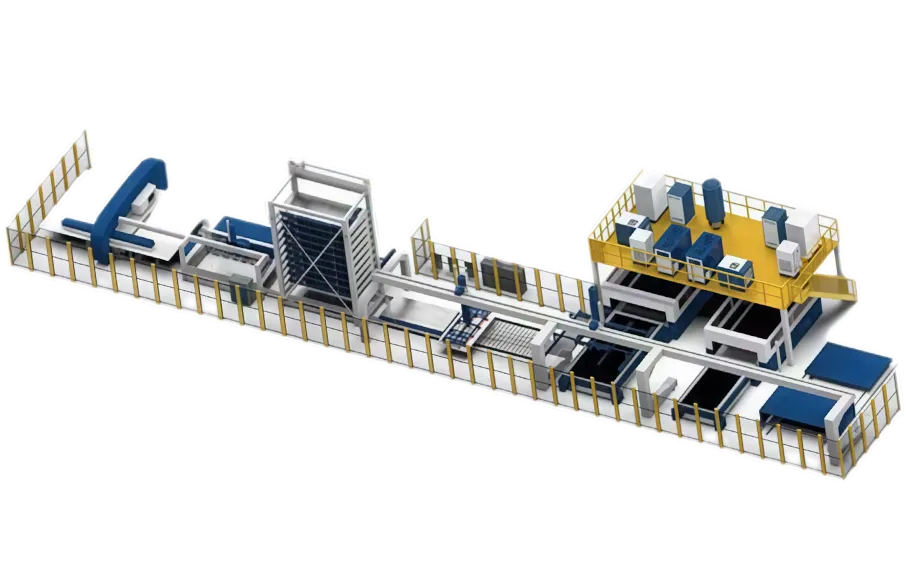
STON Laser Bending Automatic Production Line5
A typical coil processing line starts with a decoiler or coil rack. The steel coil is placed on the rack, and the coil feeding system pulls the coil strip forward. Next, the leveler removes coil memory and helps the metal sheet become flat. Good leveling is important because a flat blank is easier to cut, punch, bend, and assemble.
After leveling, the feed line moves the material into the cutting area. Depending on the system design, the line may use a shear, laser cutting system, or both. A laser machine can cut shapes, holes, slots, and contours. A shearing machine can make straight cuts when the factory only needs standard blanks. After the cutting process, the parts move to receiving tables, sorting areas, or stack stations.
STON designs automatic coil solutions to reduce manual handling. A complete coil line can connect coil feeding, laser cutting, automatic sorting, and bending equipment under one production system. When the line is designed well, each step flows into the next one. No drama. Just metal moving with purpose.
| Process Step | Main Function | Buyer Value |
|---|---|---|
| Coil Loading | Holds the metal coil | Reduces repeated sheet loading |
| Déroulement | Releases coil material | Supports continuous production |
| Leveling | Flattens the coil | Improves cutting and bending quality |
| Feeding | Moves the sheet forward | Supports accurate length control |
| Laser Cutting / Shear | Cuts blanks or shapes | Improves precision and efficiency |
| Sorting / Stacking | Organizes finished blanks | Reduces manual work |
A cut to length line is used to cut coils into flat sheets or blanks with accurate length. This is one of the most common coil processing methods in steel service centers, cabinet factories, HVAC plants, and OEM metal processing workshops. The goal is easy to understand: cut the coil into the right size before the next operation.
Traditional cutting may require workers to move plates between different machines. That takes time and space. It also increases the chance of surface scratches, wrong sizes, or stacking mistakes. A coil cut to length line improves this by combining feeding, leveling, measuring, cutting, and stacking into one controlled process.
For factories that process steel coil every day, accuracy matters. A small length error may affect bending, welding, or assembly. When the blank size is stable, the whole sheet metal manufacturing process becomes smoother. That is why a high precision cut to length line is not only a cutting tool. It is a foundation for better production quality.
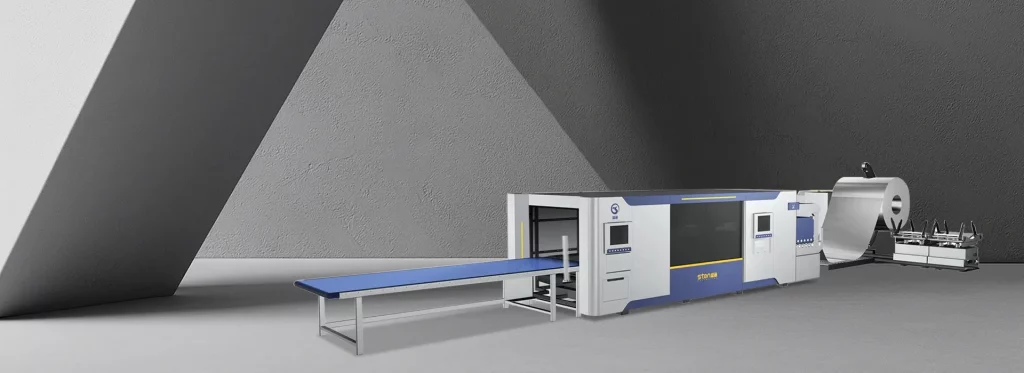
Ligne de production automatique
Laser blanking lines bring more flexibility to coil processing. A standard shear is excellent for straight cuts, but laser cutting can create more complex blank shapes. It can cut holes, curves, openings, and part contours directly from coil material. This helps factories reduce secondary processing and shorten the production path.
A coil fed laser blanking system combines coil feeding with fiber laser cutting. The coil is leveled and fed into the laser cutting area, where the blank shape is cut according to a program. This method is useful for manufacturers that produce different metal parts from coil material but still need high speed and repeatable quality.
Laser blanking also helps reduce tooling limitations. When a product changes, the factory may only need to update the cutting program. This is helpful for appliance plants, cabinet factories, metal furniture producers, and OEM manufacturers that deal with many part styles.
For factories that need both speed and flexibility, coil laser cutting can be a smart upgrade from traditional cutting methods.
A coil cutting line can process different coil materials depending on its configuration, leveling capacity, laser power, and thickness range. Common materials include carbon steel, mild steel, galvanized steel, stainless steel, aluminum, pre-painted steel, and some alloy steel materials. The exact processing range should always match the customer’s drawings and production goals.
In many sheet metal factories, the most common coil thickness range is about 0.5–2.0 mm for automatic coil processing lines. Stainless steel may require special attention because it is harder and can be more demanding during leveling and fiber laser cutting. A proper leveler, feeding system, and laser cutting machine help keep the blank flat and accurate.
The coil widths also matter. A line must match the customer’s coil size, workshop space, load capacity, power supply, and downstream process. STON can customize the production line according to the customer’s metal coil type, coil width, coil weight, sheet thickness, and product drawings.
| Material | Common Applications | Processing Note |
|---|---|---|
| Carbon Steel | Cabinets, doors, racks | Stable and widely used |
| Mild Steel | General metal parts | Easy to form and cut |
| Galvanized Steel | HVAC, enclosures | Surface protection matters |
| Stainless Steel | Kitchenware, medical, lab equipment | Requires stable leveling and cutting |
| Pre-painted Steel | Appliance and decorative panels | Surface protection is important |
| Aluminium | Lightweight panels | Needs suitable feeding and support |
A good automatic metal coil line should protect the material surface, keep the sheet flat, and cut each blank with stable accuracy.
Coil cutting and traditional cutting both have value. The right choice depends on your product volume, material flow, part design, and labor cost. Traditional cutting can work well for low-volume jobs, simple parts, or shops that already use separate plate storage and cutting stations. It is flexible, but it can also be slow.
Automatic coil cutting is better when the factory has repeated production, large order volumes, or a need to automate material flow. The coil moves through the line continuously. Workers do not need to lift, move, and reload sheets all day. That reduces labor pressure and improves production efficiency.
A factory producing electrical cabinets, HVAC panels, elevator parts, or metal furniture often benefits from coil processing because many parts repeat. Once the coil material is fed, leveled, and cut, the blank can move toward punching, bending, flanging, or stacking.
| Article | Traditional Cutting | Automatic Coil Cutting |
|---|---|---|
| Manutention | More manual movement | Continuous coil feeding |
| Labor Use | Higher | Lower |
| Changeover | Flexible but manual | Program-based |
| Output | Limited by handling speed | Better for batch production |
| Surface Risk | More handling scratches | Less manual contact |
| Meilleur pour | Low-volume work | High-volume and repeatable parts |
If your team spends too much time moving sheets, your factory may be ready for a coil line. Tiny bottlenecks become expensive when they repeat every day.
A coil fed laser blanking system usually includes several core modules. Each module affects the final blank quality. The decoiler holds and releases the coil. The straightener feeder coil module helps remove curve and wave from the coil strip. The leveling machine improves flatness. The feeding unit controls length and position. The fiber laser cutting machine cuts the required shape. The stacking unit organizes finished blanks.
In advanced coil processing, these modules should work together under one control system. When the line systems are connected well, the operator can manage production with fewer manual steps. The result is a highly automated workflow that supports efficient production and better consistency.
For some factories, the system may also include a slitting line or slitting machine before blanking. This is useful when wide coils need to be divided into narrower strips. For other factories, the line may connect directly to bending or punching equipment, such as a panel bender or turret punch press.
Common modules include:
This complete coil processing approach helps the factory process coil material from raw coil to usable blank with less manual interruption.
Automatic coil processing equipment is useful for industries that produce many similar sheet metal parts. Electrical cabinet manufacturers use coil lines to make cabinet panels, mounting plates, doors, and switchgear parts. HVAC ducting producers use them for ventilation panels, duct sheets, and air purification equipment.
Metal furniture and racking plants also benefit from coil-fed processing. They need repeatable blanks for shelves, cabinets, frames, drawers, and support panels. Appliance and kitchenware plants use the line for stainless steel or pre-painted sheet parts. Telecom and power enclosure makers use it for server racks, control boxes, and power cabinet panels.
Steel service centers may use coil processing equipment to supply cut blanks to downstream factories. For these service centers, speed, precision, and stack quality matter. A clean stack means easier delivery and fewer complaints.
| L'industrie | Typical Products |
|---|---|
| Electrical Cabinet | Switchgear panels, control cabinet blanks |
| HVAC | Duct panels, ventilation parts |
| Metal Furniture | Office cabinets, shelves, drawers |
| Appliance and Kitchenware | Stainless-steel panels, covers |
| Telecom and Power | Server racks, power enclosures |
| Elevator and Building Materials | Elevator panels, construction sheets |
| OEM Sheet Metal Factories | Custom blanks and components |
| Steel Service Centers | Cut-to-size blanks for customers |
For these users, the production goal is often the same: faster flow, fewer errors, and stable blank quality.
Advanced coil processing reduces labor by removing repeated manual sheet loading. In a traditional process, workers may need to lift sheets, carry them to a cutting machine, align each sheet, remove the finished part, and stack it again. It is slow. It is tiring. And yes, people make mistakes when the work is repetitive.
A fully automatic coil line can automate coil feeding, leveling, laser cutting, blank sorting, and automatic stacking. This reduces operator requirements and improves productivity. It also helps protect the material surface because the sheet is not moved by hand again and again.
Waste control also improves. A coil laser system can use better nesting and program control. A stable feed length reduces wrong cuts. A flat blank reduces later bending errors. Together, these small gains support lower total cost of ownership.
How automation creates value:
In short, a better coil processing line does not only cut metal. It improves the whole production rhythm.
STON is a Sheet-Metal Automation & CNC Fabrication Equipment Manufacturer offering OEM/ODM and factory-direct solutions for global customers. We build equipment for sheet-metal job shops, electrical and filing cabinet manufacturers, HVAC ducting producers, appliance plants, telecom and power enclosure makers, EV charging enclosure manufacturers, metal furniture factories, distributors, importers, and industrial automation partners.
When we discuss a coil processing project, we first study the customer’s product. What coil material do you use? What is the thickness range? What coil widths do you need? Do you need straight cuts, laser blanking, punching, bending, or flanging? How many parts must the line produce each shift? What workshop space, power supply, climate conditions, and local standards should the line meet?
STON can customize coil line systems based on real production needs. Our solutions may include automatic feeding, leveling, coil laser cutting, shearing, sorting, stacking, panel bending, turret punching, and robotic handling. We also support installation, commissioning, operator training, spare parts, and after-sales service.
As a factory-direct manufacturer, STON helps buyers turn a coil processing idea into a practical production system.
Imagine an electrical cabinet factory that cuts flat sheets manually before bending and assembly. Workers load sheets one by one. Some blanks have scratches. Some sheets are not flat enough. Production depends on operator speed. When orders increase, delivery becomes stressful.
The factory upgrades to an automatic coil-to-cut production line. The steel coil enters the line, gets leveled, moves into fiber laser cutting, becomes accurate blanks, and then stacks automatically. After that, the blanks move to panel bending or press brake bending.
The result is a smoother workflow. The factory reduces manual handling, improves blank accuracy, and increases production speed. Operators spend less time moving sheets and more time managing quality. That is a real upgrade. Not flashy. Just useful.
An automatic coil-to-cut production line is a strong choice when your factory processes repeated sheet metal parts from coil material. It helps automate coil processing, improve blank accuracy, reduce manual handling, and support high-volume production.
If your products include cabinets, HVAC panels, metal furniture, enclosures, elevator panels, kitchen equipment, or OEM sheet metal components, a coil-fed laser or cut to length line may help your factory work faster and cleaner.
STON can help you evaluate the best solution based on your coil material, thickness range, blank size, factory layout, and production goals. Whether you need a simple coil cutting machine, a coil fed laser cutting system, or a complete coil processing production line, our team can support your project from design to commissioning.
Contact STON to discuss your automatic coil-to-cut production line and build a factory-direct sheet metal automation solution for your business.
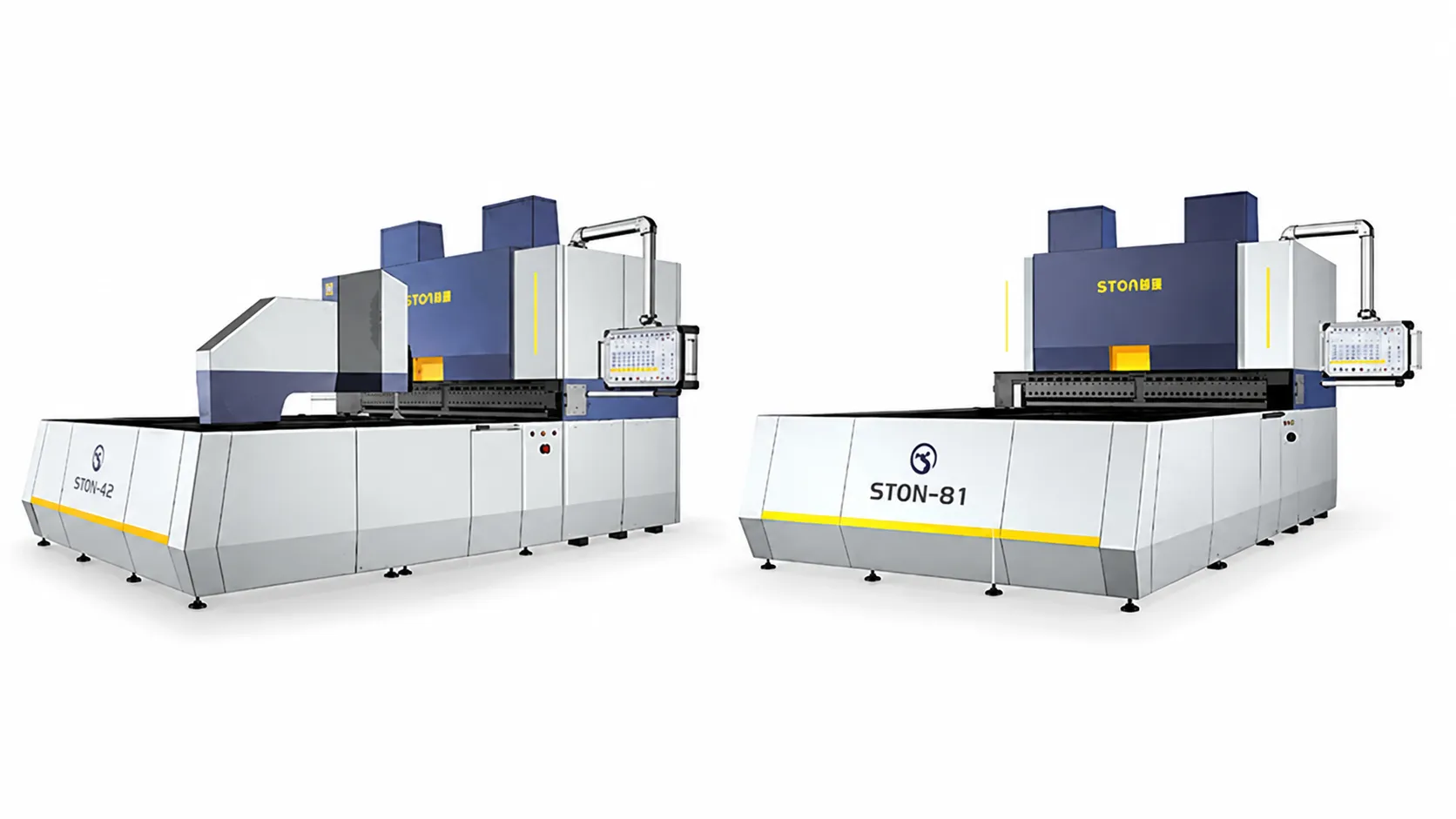

Que vous modernisiez une ligne existante ou que vous lanciez un nouveau projet, STON personnalisera une solution CNC pour votre production.


