Somos responsables de la construcción-----somos responsables de la fabricación-----somos responsables de la formación

Choosing the wrong punching machine can increase tooling cost, slow production, and limit future automation. This guide helps buyers understand CNC turret punching clearly.
A CNC turret punching machine is a sheet metal punching machine that uses CNC control and a rotating turret tool system to punch holes, slots, louvers, forms, and repeated patterns on metal sheets. It is widely used in cabinets, HVAC panels, enclosures, machinery covers, and batch sheet metal production.
A CNC turret punching machine is more than a simple metal punch machine. It is a flexible CNC sheet metal machine for factories that need stable hole processing, forming, and repeated part production. For overseas B2B buyers, the key question is not only how the machine works. The real question is whether this equipment fits your parts, material thickness, production volume, tooling plan, and future sheet metal automation needs.
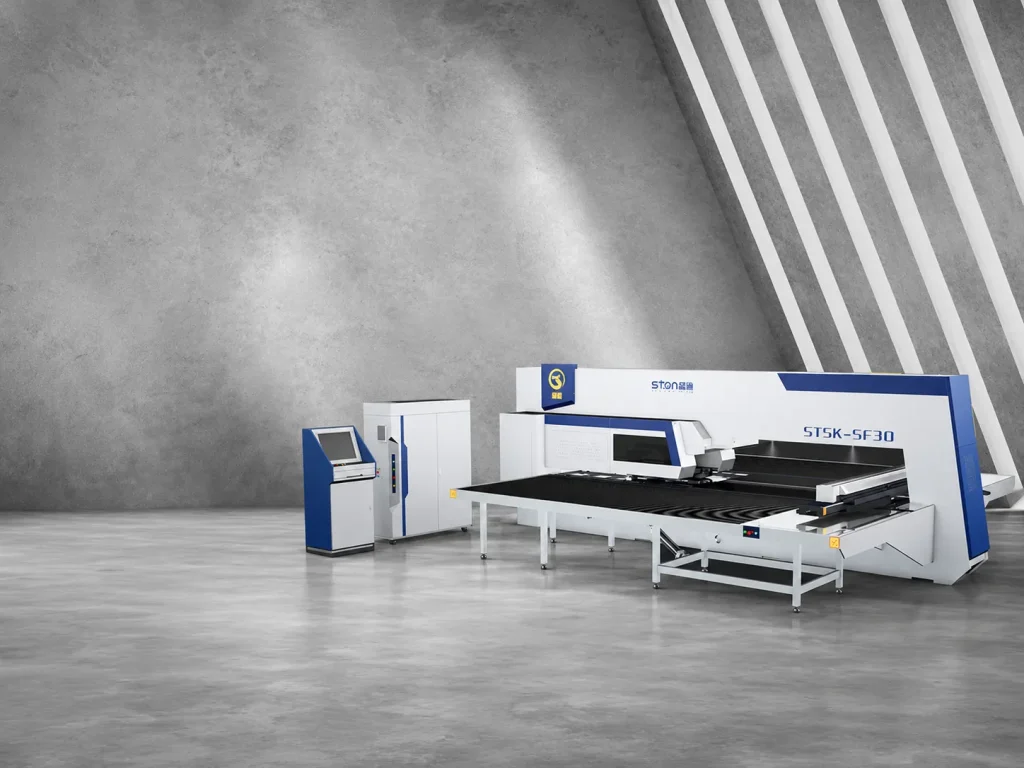
Many buyers need sheet metal punching, but they may not know whether a CNC punch press, turret punch press, or laser cutting machine is the better choice.
A CNC turret punching machine is a CNC punch press with a rotating turret that holds different punching tools. It processes metal sheets by selecting tools automatically and punching programmed holes, slots, forms, and patterns.
A CNC turret punching machine belongs to the broader punch press category. It is also commonly called a turret punch press, CNC punch press, CNC turret press, or sheet metal punching machine. The machine uses a CNC control system to move the metal sheet and select the correct punch tool from the turret. This allows the equipment to complete different punching operations without changing the entire setup every time.
For sheet metal fabrication factories, this machine is useful because many parts need repeated holes and formed features. Electrical cabinet panels may need cable holes, mounting holes, ventilation slots, and knockouts. HVAC panels may need louvers and airflow holes. Metal furniture parts may need repeated slots and connection holes. Industrial enclosures may need precise openings for switches, locks, and control parts.

The value of a CNC turret punching machine comes from its flexibility. A factory can place multiple tools in the turret. These tools may include round punches, square punches, rectangle punches, louver tools, embossing tools, and forming tools. The machine can select these tools based on the CNC program. This helps buyers process different sheet metal components with less manual work.
A CNC turret punching machine is especially suitable for medium and batch production where parts have many holes or repeated features. It can also help reduce manual marking, drilling, and separate forming work. For B2B buyers, this means better process control, fewer manual steps, and more stable part consistency.
STON CNC focuses on CNC sheet metal machinery and sheet metal automation solutions. When we discuss a CNC turret punching machine, we usually look at the full production process, not only the machine body. Buyers should consider material, part drawings, tooling needs, feeding method, loading and unloading, and future automation before choosing a machine.
Some buyers hear the word “turret” but do not know why it matters. Without understanding the turret, they may underestimate tooling flexibility.
The turret is the rotating tool station inside a CNC turret punching machine. It holds multiple punch and die sets, so the machine can choose different tools automatically during sheet metal punching.
The turret is one of the most important parts of a CNC turret punching machine. It works like a tool storage and tool selection system. The turret holds different punching tools and dies. When the CNC program requires a specific hole or form, the turret rotates to bring the correct tool into the punching position.
This structure gives the machine strong flexibility. In traditional punching, operators may need to stop the machine and change tools manually for different hole shapes. With a turret punch press, the machine can use multiple tools in one program. This reduces setup time and helps production teams handle different part features in a smoother workflow.
The turret can hold tools for different jobs. A round tool can punch circular holes. A rectangular tool can punch long slots. A square tool can create square holes. A louver tool can form ventilation openings. An embossing tool can create raised marks or forms. Special tools can support countersinking, knockouts, and small forming features when the machine and tooling configuration allow it.
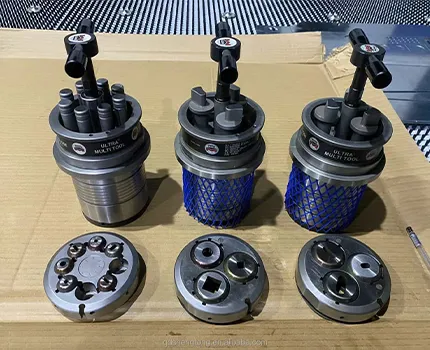
For B2B buyers, the turret design affects production flexibility. A factory that makes only one simple part may not need many tool stations. A factory that makes electrical cabinets, metal enclosures, HVAC panels, and custom sheet metal components may need more tool choices. The buyer should review product drawings before deciding the tooling layout.
The turret also affects tooling cost and maintenance planning. Buyers should not only ask how many tools the machine can hold. They should also ask which tool sizes are needed, which forming tools are practical, how often tools must be replaced, and whether spare tools are easy to source.
A good turret configuration can reduce production stops and improve machine use. A poor tooling plan can make even a good CNC punch press inefficient. That is why buyers should share drawings, material thickness, and sample parts before finalizing the turret punch press configuration.
A Punzonadora de torreta CNC may look complex, but its working process is clear when buyers break it into simple steps.
A CNC turret punching machine works by clamping the sheet, moving it by CNC control, selecting tools from the turret, punching the programmed features, and repeating the process until the part is finished.
The working process starts with part programming. The operator or engineer prepares a CNC program based on the sheet metal drawing. The program defines hole positions, tool selection, punching sequence, sheet movement, and processing path. The program must match the material, sheet size, tool layout, and part design.
After programming, the metal sheet is loaded onto the machine table. The clamps hold the sheet firmly. The CNC system controls the sheet movement along the working area. The machine moves the sheet to the correct position for each punching operation.
When the program calls for a specific shape, the turret rotates and brings the required tool into the punching position. The punch then presses through the sheet into the die. This creates a hole, slot, form, or punched feature. The machine repeats this process until all programmed features are completed.
The machine can process different features in one sheet. For example, it may punch round holes first, then slots, then louvers, then corner notches. This saves time compared with separate manual processes. It also improves consistency because the CNC system controls positioning.
For sheet metal manufacturers, punching order matters. A poor punching sequence can increase sheet deformation, reduce accuracy, or make unloading harder. A good program helps protect part quality and improve production efficiency. This is why operator training and supplier support are important.
A CNC turret punching machine can also be part of a larger sheet metal automation system. Some buyers may add automatic loading, unloading, sorting, or stacking systems. Others may combine punching with laser cutting, panel bending, or press brake bending in the full production flow.
The machine does not replace every process. It is strong in punching and forming features. It is not the best solution for every complex contour. Buyers should compare turret punching with laser cutting when the part has many irregular profiles. If the product requires both punching and cutting, buyers may need a combined process or a full production line plan.
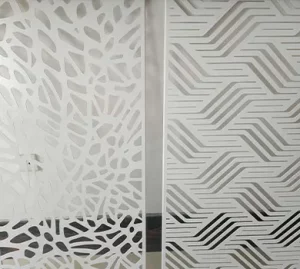
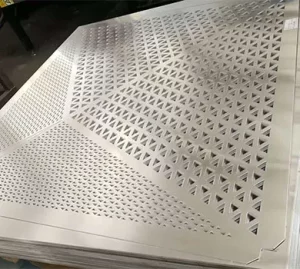
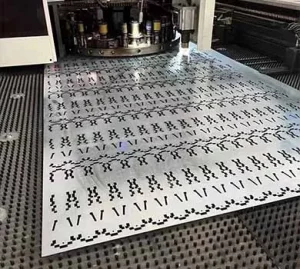
Factories may buy punching equipment for one product, but future orders often require more part types. A turret punch machine supports flexible sheet metal work.
A turret punch machine is used for punching holes, slots, louvers, knockouts, embossed features, and repeated patterns on metal sheets. It is common in cabinets, enclosures, HVAC panels, metal furniture, and machinery covers.
A turret punch machine is widely used in sheet metal fabrication because many industrial products need repeated holes and forms. It is not only used to punch simple round holes. It can also process many functional features that support assembly, ventilation, wiring, installation, and product appearance.
Electrical cabinet manufacturers often use turret punching for door panels, side panels, back plates, and mounting plates. These parts may need cable holes, switch holes, lock holes, hinge holes, ventilation patterns, and installation slots. A CNC turret press can process these features with stable positioning, which helps later assembly.
HVAC and ventilation equipment manufacturers may use a turret punch press for louvers, perforated panels, air inlet plates, and fan covers. These parts often need repeated hole patterns. Manual processing is slow and hard to keep consistent. CNC punching helps control pattern spacing and part repeatability.
Metal furniture and shelving manufacturers may use a sheet metal punching machine for connection holes, slots, decorative patterns, and assembly points. Industrial enclosure manufacturers may use it for control panels, switch boxes, machine guards, and equipment covers.
The machine also supports sheet metal stamping and light forming when the correct tools are used. It can create small raised forms, countersink-like shapes, knockouts, and embossed marks. This makes it useful when buyers need more than flat cutting.
| Application Area | Common Features Processed |
|---|---|
| Electrical cabinets | Cable holes, switch holes, ventilation slots, mounting holes |
| Cuadros de climatización | Louvers, airflow holes, perforated patterns |
| Metal furniture | Slots, connection holes, decorative patterns |
| Industrial enclosures | Openings, knockouts, panel holes |
| Fundas para maquinaria | Mounting holes, labels, formed features |
| Appliance parts | Repeated holes, small forms, assembly features |
For B2B buyers, the application should decide the machine configuration. A factory making cabinet panels may need many punching and forming tools. A ventilation panel factory may need high-efficiency louver and perforation processing. A general sheet metal workshop may need more tool flexibility for mixed orders.
STON CNC can help buyers review part drawings and production goals before selecting a turret punch press. This is important because the best machine is not always the largest machine. The best machine is the one that fits the buyer’s material, product structure, output target, and automation plan.
Many buyers compare punching and laser cutting, but a wrong comparison can lead to the wrong investment. These machines solve different problems.
A turret punch machine is better for repeated holes, louvers, and formed features. A laser cutting machine is better for flexible contours, complex profiles, and cutting jobs without punch tooling.
A turret punch machine and a CNC laser cutting machine are both important metal fabrication equipment. They can both process sheet metal, but their working principles and best-use cases are different.
A turret punch machine uses physical punch tools to press through the metal sheet. It is strong for holes, slots, louvers, knockouts, embossing, and repeated patterns. It can create formed features that a standard laser cutting machine cannot make. This makes it valuable for electrical cabinets, HVAC panels, metal furniture, and industrial enclosures.
A laser cutting machine for metal uses a laser beam to cut the sheet. It does not need punching tools for each shape. It is strong for complex outlines, curved profiles, nested cutting patterns, and small-batch parts with changing shapes. It is also useful when buyers need flexible cutting without making new punch tools.
| Comparison Item | Turret Punch Machine | Laser Cutting Machine |
|---|---|---|
| Main process | Punching and forming | Cutting and profiling |
| Herramientas | Requires punch tools | No punch tooling needed |
| Best features | Holes, louvers, embossing, knockouts | Complex shapes and contours |
| Forming ability | Strong with proper tools | Limited for forming |
| Flexibility | Strong for tool-based repeated features | Strong for changing profiles |
| Typical buyer | Cabinet, HVAC, enclosure, panel factories | Cutting workshops and mixed part producers |
The right choice depends on part design. If the parts have many repeated holes and formed features, a turret punch press can be more practical. If the parts have many changing contours and complex outside shapes, a CNC laser cutting machine may be better.
Some buyers need both processes. For example, a cabinet production line may need punching for holes and louvers, laser cutting for profiles, and bending equipment for final forming. In this case, the buyer should not think about one machine only. The buyer should plan the full sheet metal manufacturing process.
A laser punching machine or combined production process may also be considered when the buyer needs both punching and cutting in one workflow. However, the final choice should depend on material, part size, tooling needs, output, and budget.
Many buyers ask for the “best” punching machine, but the best choice depends on the product, not only the machine name.
The best punching machine for sheet metal production is the one that matches your material, thickness, part size, hole pattern, forming needs, batch volume, automation plan, and service requirements.
There is no single best punching machine for every factory. A small workshop, a cabinet manufacturer, a HVAC panel producer, and an automation project buyer may all need different solutions. The buyer should first define the production problem before choosing the machine.
A mechanical punch press may be suitable for simple, repeated, high-volume parts. A hydraulic punch press may be useful when stronger punching force is needed. A CNC punch press is better when the factory needs program control and flexible sheet movement. A CNC turret punching machine is often a strong choice when the buyer needs multiple tool stations, repeated holes, formed features, and mixed sheet metal parts.
The buyer should also think about future product changes. Many factories start with one product series, but later they receive more orders with different drawings. If the machine cannot adapt to different hole patterns or forming tools, the buyer may need extra machines later. A Punzonadora de torreta CNC can help improve flexibility for many sheet metal production needs.
The buyer should check several points before choosing:
| Selection Factor | Why It Matters |
|---|---|
| Tipo de material | Different materials affect punching force and tool wear |
| Espesor de lámina | Daily working thickness is more important than only maximum capacity |
| Tamaño de la pieza | The machine must match the sheet and finished product dimensions |
| Hole pattern | Repeated holes and forms are suitable for turret punching |
| Volumen de producción | Batch size affects automation and tooling planning |
| Tooling needs | Tool type affects cost, flexibility, and part quality |
| Automation plan | Loading, unloading, and stacking can reduce manual handling |
| Supplier support | Installation, training, troubleshooting, and spare parts affect long-term use |
The best machine should also fit the buyer’s team. If operators are new to CNC punching, training is important. If the factory exports finished products, consistency matters. If the buyer wants to build a long-term production line, automation compatibility matters.
STON CNC works as a CNC sheet metal machinery manufacturer and sheet metal automation solution provider. We can help overseas buyers compare CNC turret punching machines, CNC laser cutting machines, CNC press brakes, CNC panel benders, and automatic production line options based on real production needs. Buyers can share drawings, materials, part sizes, and output targets before selecting the final solution.
A Punzonadora de torreta CNC is best chosen by product needs, tooling plan, material, batch volume, and automation goals. Good selection starts with real drawings.
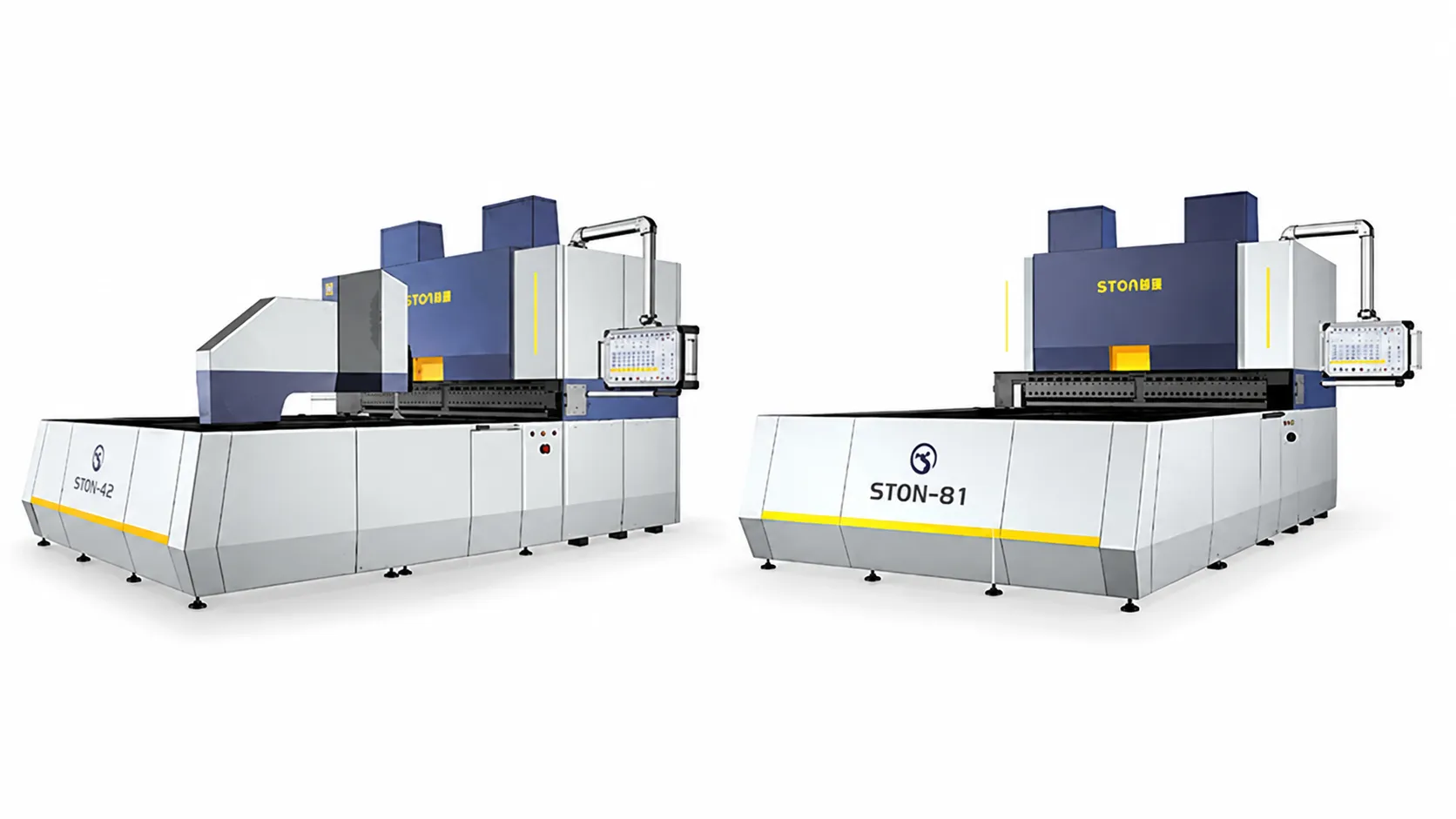

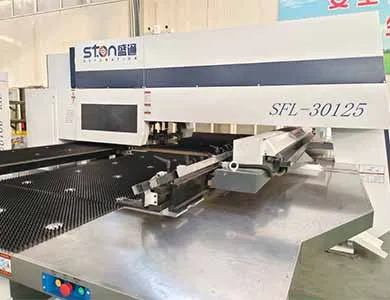
Tanto si está actualizando una línea existente como si está iniciando un nuevo proyecto, STON personalizará una solución CNC para su producción.


