Somos responsables de la construcción-----somos responsables de la fabricación-----somos responsables de la formación

Choosing the wrong machine hurts fast. Too little tonnage means weak bends, slow work, and rejected parts. Too much tonnage wastes budget and may damage the tool. This guide helps you select the right press brake with safe capacity, better precision, and stronger factory productivity.
Press brakes need the right tonnage based on material type, material thickness, bend length, V-die opening, tooling, and bending method. To select the right press brake size and capacity, calculate the required tonnage, check your longest bend, review future production needs, and choose a machine with a safe capacity margin.
Press brake tonnage refers to the maximum force a press brake can exert during a bend. In simple words, tonnage is the pushing power of the machine. It helps the punch push sheet metal into the lower die and form the angle you need.
Tonnage is not only a machine label. It is also a working number. For example, a factory may own 160-ton press brakes, but one part may need only 45 tons to bend. Another longer or thicker part may need 130 tons. So, selecting the correct tonnage is essential for safe and stable production.
Correct tonnage ensures better bend quality, longer tool life, and less stress on the press brake’s frame. Insufficient tonnage may stop the bend before it reaches the angle. Excessive tonnage can cause damage to the press brake, tooling, or sheet surface.

Press brakes are essential because many sheet metal products need one or more bends before they become useful parts. Electrical cabinets, HVAC panels, appliance shells, metal doors, furniture parts, control boxes, machine covers, and stainless steel workpieces all depend on accurate bending.
In metal fabrication, cutting is only the first step. The part still needs forming. Press brakes help turn flat sheet metal into strong shapes. A clean bend improves assembly. It also makes welding easier and helps the finished product look professional.
At STON, we see many factories upgrade press brakes not only for stronger tonnage, but also for better workflow. A modern CNC press brake can improve precision, reduce operator pressure, and connect better with laser cutting units, turret punch presses, panel benders, and automated production lines.
To calculate press brake tonnage, you need the material thickness, bend length, material tensile strength, and V-die opening. Many factories use a tonnage chart or a digital calculator to estimate the force needed to bend the part.
A common air bending formula is:
Tonnage = Constant × Material Thickness² × Bend Length ÷ V-Die Opening
This formula shows one big truth: material thickness has a strong effect. If thickness increases, tonnage does not rise slowly. It rises fast. That is why a small change in material thickness can change the right machine choice.
A basic tonnage calculation process looks like this:
This press brake tonnage calculation helps buyers make an informed decision instead of guessing.

Bend length is one of the easiest details to forget. But it matters a lot. A machine may bend a short part easily, but fail to bend the same material across a longer length. The longer the bend, the more total tonnage the machine needs.
For example, if a 1-meter bend needs 40 tons, a 3-meter bend may need about three times that force under similar conditions. This does not mean every job is perfectly linear, but it gives buyers a clear idea: long parts need more machine capacity.
This is why press brake size and capacity must match your real production. If your factory makes long electrical cabinet doors, HVAC panels, appliance shells, or metal furniture panels, you should review the longest bend length before choosing press brakes.
Material thickness is one of the strongest tonnage drivers. A thicker sheet needs more amount of force to bend. If you use a machine with insufficient tonnage, the ram may not complete the bend, the angle may be wrong, and the production line may stop.
Material type also matters. Mild steel, stainless steel, aluminum, galvanized sheet, and high-strength steel do not bend the same way. Stainless steel usually needs higher tonnage than mild steel. Aluminum often needs less tonnage, but it may need more care to avoid surface marks.
Different materials also affect springback. Springback means the metal opens slightly after the bend. A CNC system, correct tool, and proper bending data help ensure better angle control. This is important for factories that need stable precision across many parts.
There are several types of press brakes. The main options include hydraulic press brakes, electric press brakes, hybrid models, and older mechanical press brakes. Each type has different benefits.
Hydraulic press brakes are widely used because they offer strong force, flexible capacity, and stable bending for medium and thick sheet metal. Many factories use hydraulic machines for general production because they can handle many sizes and different materials.
Plegadoras eléctricas are cleaner, faster, and energy-saving for many thin and medium sheet metal jobs. They are a good choice for factories that need high precision, low maintenance, and efficient small-batch production. STON also provides pure-electric bending solutions for users who want cleaner and smarter production.
Mechanical press brakes still exist in some factories, but modern CNC-controlled press brakes offer better control, easier programming, and improved safety features. For new investment, most B2B buyers compare hydraulic and electric models first.
The tool is not a small detail. It is the direct contact point between the machine and the sheet metal. The punch, die, V opening, radius, height, hardness, and tool accuracy all affect bend quality.
A narrow V-die opening can make a sharper bend, but it also increases tonnage. A wider V opening reduces tonnage, but it creates a larger inside radius. This is why tool selection must match the part drawing.
Good tooling helps ensure stable precision. Poor tooling creates marks, angle errors, and unstable bends. In some cases, the machine has enough tonnage, but the tool is not rated for the force. This can create a serious safety risk.
A practical tool checklist:
When buyers ask STON for press brakes, we usually recommend checking parts, materials, drawings, and tooling together. A machine and tool plan should work as one system.
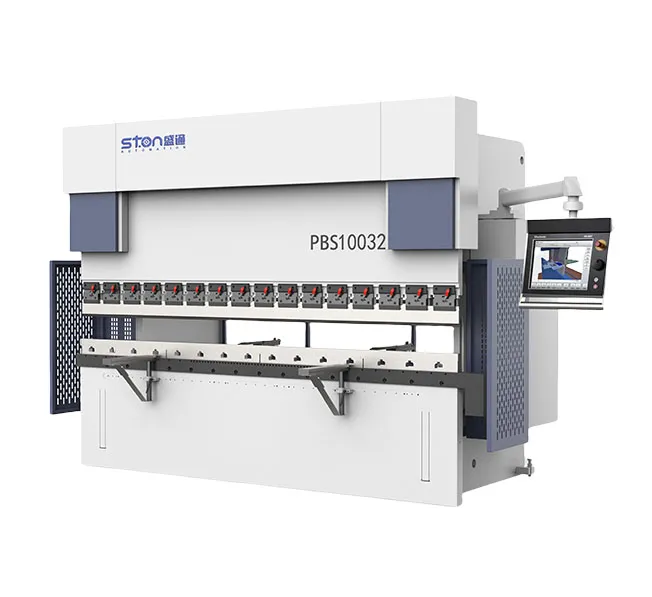
Overloading the machine is one of the most serious mistakes in press brake operations. It can damage the frame, ram, hydraulic system, tool, and workpiece. It can also reduce machine life and increase safety risks.
Tonnage can cause problems in two directions. Insufficient tonnage leads to failed bends. Excessive tonnage may crush the tool or damage parts. Both are bad. The goal is right tonnage, not just big tonnage.
To avoid overloading, factories should:
A machine with slightly higher capacity than your daily requirement is often safer than a machine running at its limit. But do not oversize blindly. Choose a machine that fits real factory work.
STON is a China-based CNC sheet metal machinery manufacturer. We provide panel benders, turret punch presses, press brakes, laser cutting units, and automated production lines. Our goal is simple: help global manufacturers improve processing efficiency, reduce labor costs, and build smarter factories.
STON press brakes are designed for sheet metal fabricators, electrical cabinet factories, HVAC manufacturers, appliance producers, metal furniture makers, and machinery distributors. We understand that buyers do not only need a brake machine. They need stable forming results, suitable tonnage, practical tooling, and reliable service.
Useful STON resources:
When buyers send us drawings, material data, and production targets, we can help review the right press brake tonnage, tool setup, machine length, CNC configuration, and possible automation plan.
Press brake tonnage is the force needed to bend metal. It depends on material thickness, material type, bend length, V-die opening, tooling, and bending method.
Start with your real parts. Check the longest bend, thickest material, common material type, required precision, daily output, and future production plan. Then choose press brakes with suitable tonnage and size.
A machine with insufficient tonnage may fail to complete the bend. It may produce poor angles, unstable parts, and slow production. It may also increase rework.
Yes. Excessive tonnage may damage the tool, sheet metal, or machine structure. Always check the tool rating and avoid overloading the machine.
Hydraulic press brakes are strong and flexible for many bending jobs. Plegadoras eléctricas are energy-saving, clean, and fast for many thin and medium sheet metal parts. The best choice depends on your products.
Tooling affects the bend radius, angle, surface quality, and tonnage requirement. Even good press brakes cannot make stable parts with the wrong tool.
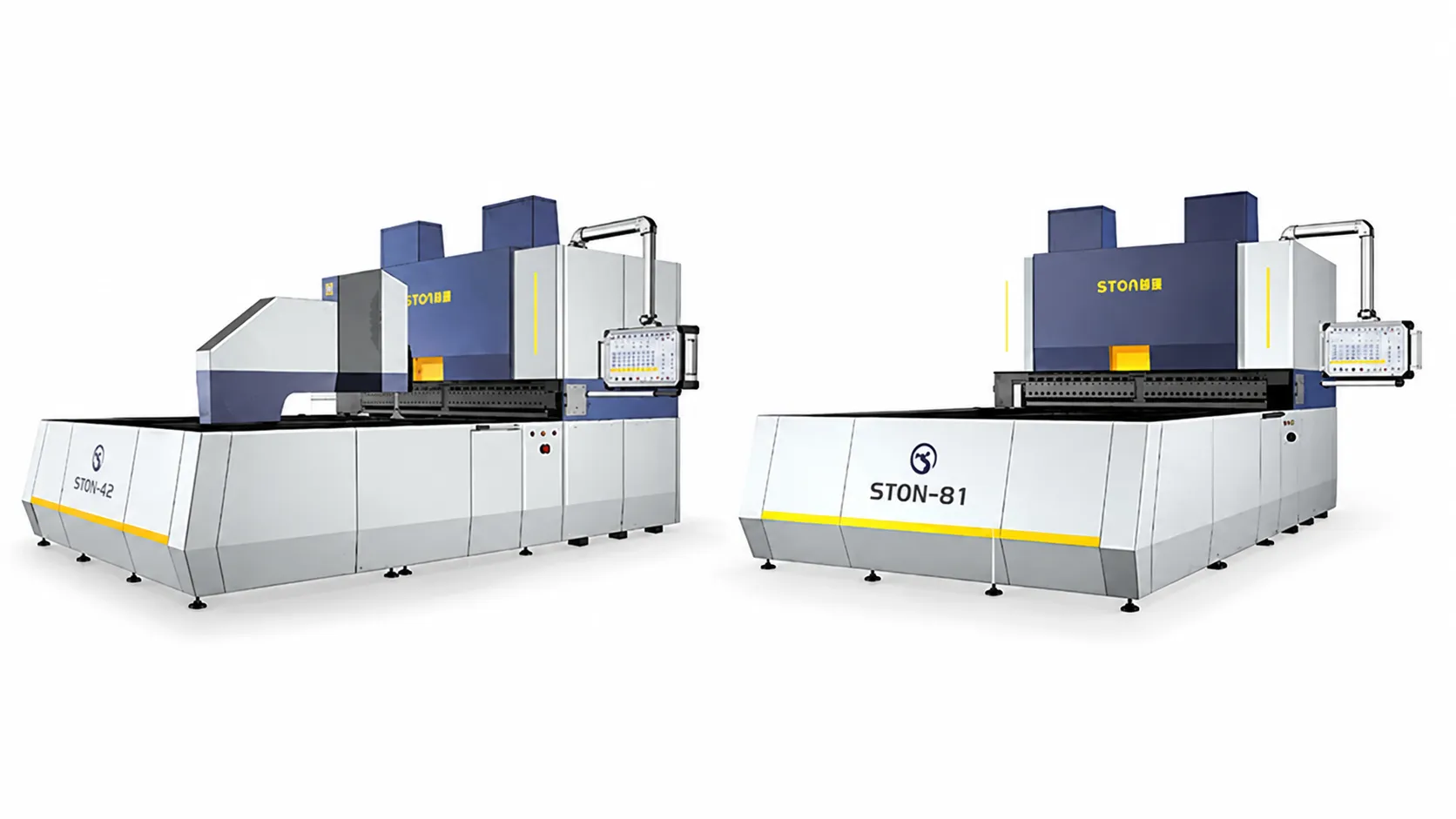
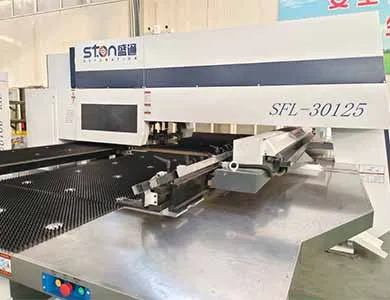
Tanto si está actualizando una línea existente como si está iniciando un nuevo proyecto, STON personalizará una solución CNC para su producción.


