Nous sommes responsables de la construction-----nous sommes responsables de la fabrication-----nous sommes responsables de la formation

Manual sheet handling slows factories down. Workers load, cut, move, bend, and unload again. Every step adds waiting, scratches, and cost. An automatic laser cutting and bending production line connects these steps, reduces labor, and helps sheet metal factories move toward smarter production.
Un automatic laser cutting and bending production line is a sheet metal automation system that combines coil feeding or sheet loading, leveling, laser cutting, unloading, bending, and material handling. It helps factories improve production efficiency, reduce labor costs, increase cutting accuracy, and support high-volume production for cabinets, HVAC, appliances, and metal furniture.
Un automatic laser cutting and bending production line is a connected system for sheet metal production. It links laser cutting, material handling, bending, and unloading into one smoother workflow. Instead of using separate machines with too much manual handling, the line moves metal sheets or coil material through each process in an organized way.
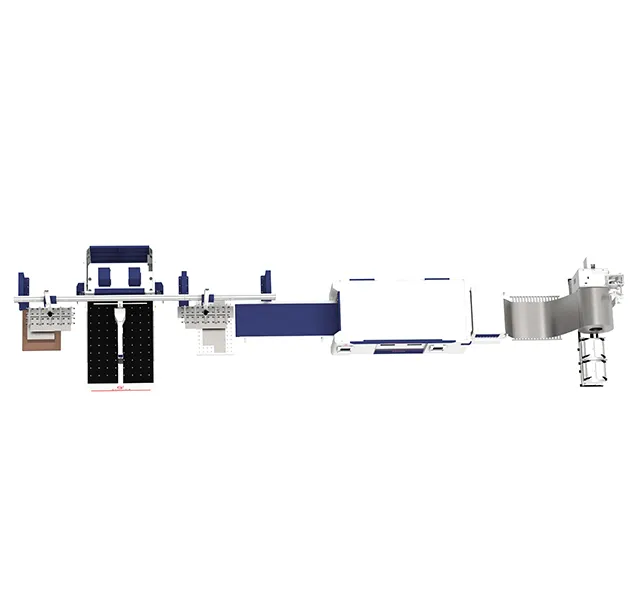
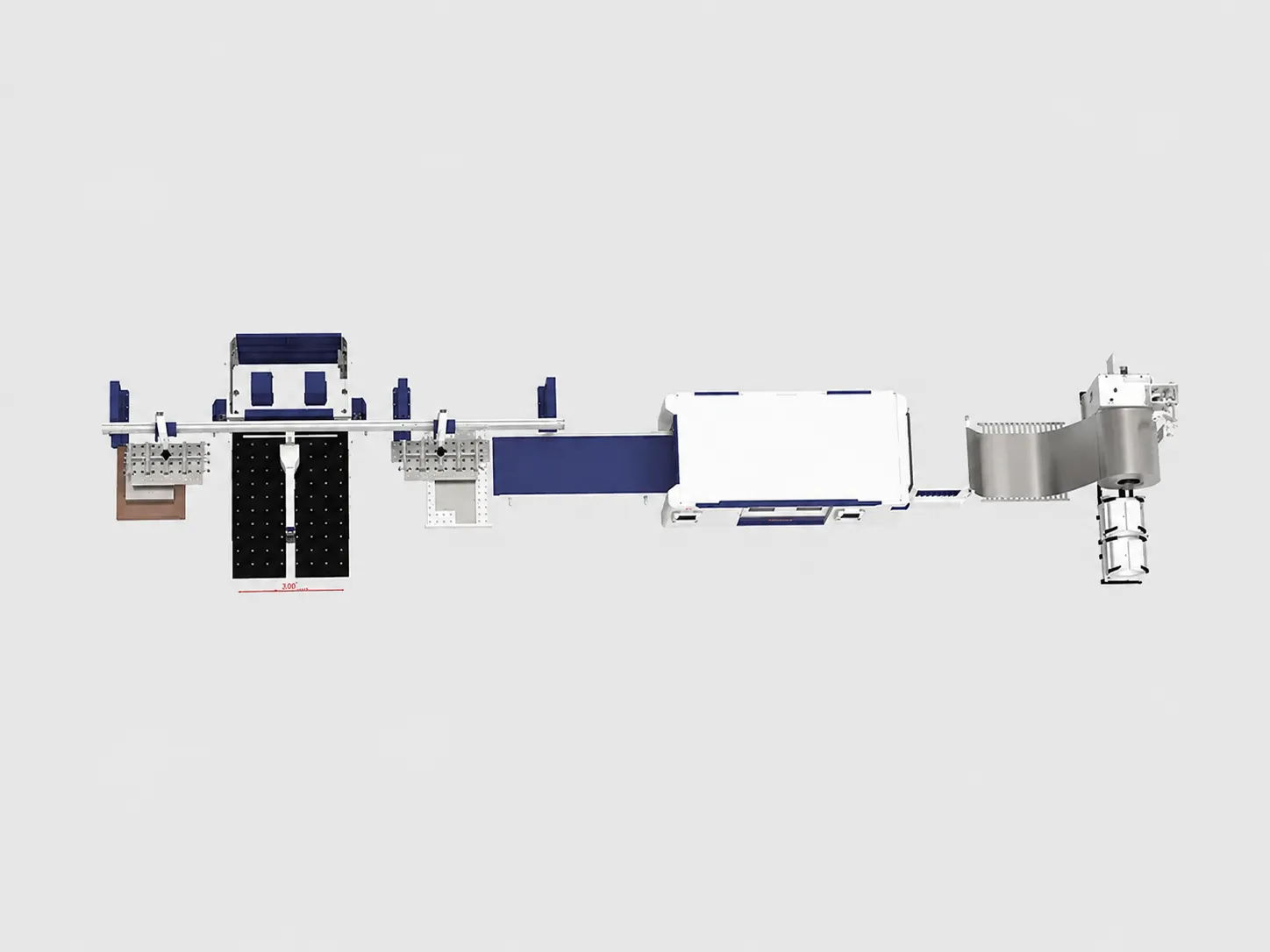
A typical production line may include a coil rack, leveling device, laser cutting machine, receiving platform, panel bender, press brake, turret punch, truss robot, loading system, unloading station, and intelligent control system. The exact configuration depends on the customer’s product drawings, material thickness, steel coil size, workshop layout, and output target.
For a busy factory, this matters because sheet metal work is not only about cutting. The real challenge is moving from flat metal to useful parts with less waiting time. A good automatic production line helps the factory cut, bend, sort, and unload with fewer manual steps.
Sheet metal factories face a common problem: orders are getting more complex, but delivery time is getting shorter. Customers want clean edges, accurate bends, stable quality, and fast shipment. At the same time, labor costs are rising in many markets.
Automation helps solve this problem. It reduces repeated manual work, lowers handling risk, and keeps the production process more stable. Workers no longer need to lift every metal sheet, move every blank, or wait beside every machine. Instead, they can focus on quality control, scheduling, and machine management.
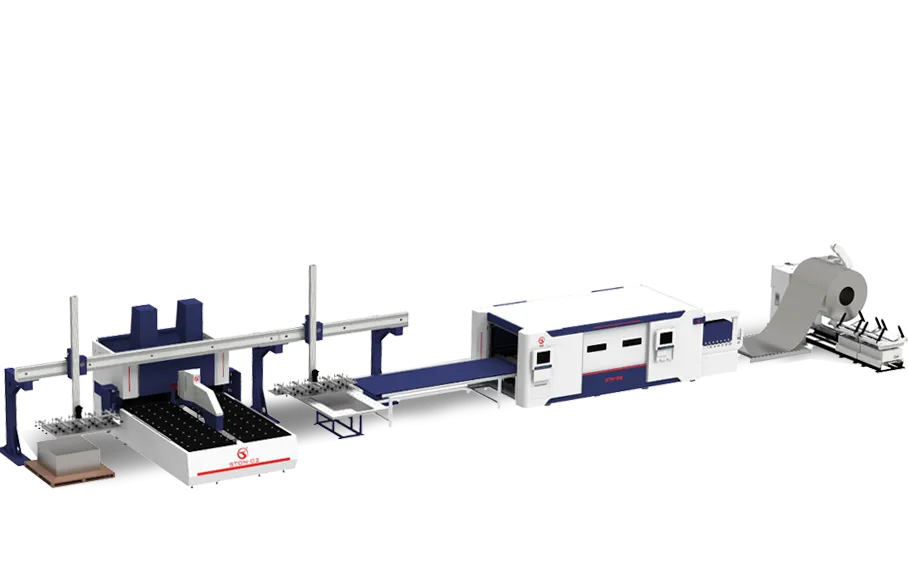
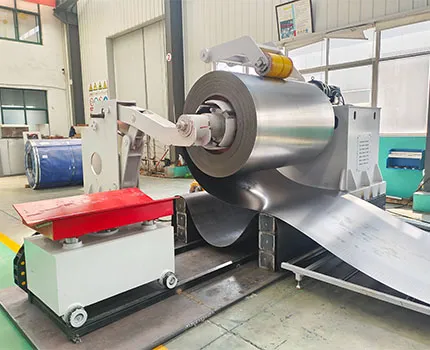
A coil-based automatic production line often starts with steel coil. The coil is placed on a decoiler or coil rack. Then the system will uncoil the material, level it, feed it forward, and send it into the laser cutting machine. After cutting, the blanks move to the receiving area, then to bending or other downstream processes.
A simple coil to finished workflow looks like this:
Steel coil → uncoil → level → laser cutting → unload → bend → sort → weld or assemble
This workflow is useful because it changes sheet metal processing from separate islands into one connected line. The line can cut only the required amount of material, reduce plate waste, and lower the need for pre-sized sheets.
In some projects, the production line starts with metal sheets instead of coil. In that case, automatic loading picks up sheets, sends them into the laser cutting line, and then the system unloads blanks after cutting. Both methods can work. The best choice depends on the product, batch size, material format, and factory plan.
Automatic loading and unloading reduces labor costs because workers do not need to lift, move, and position every sheet by hand. The loading system can pick up material, place it on the cutting table, and send it into the laser cutting machine. After cutting, the unloading system can move finished blanks and separate waste.
This matters in real production. Manual loading is tiring. It also creates scratches, delays, and safety risks. With automatic loading, the machine spends more time cutting and less time waiting.
The benefits are easy to see:
In high-volume sheet metal production, small time savings become large cost savings. A few seconds saved on each sheet can become many hours saved each month.
Laser cutting creates the flat blank. Bending turns that blank into a real part. That is why bending production is a key part of many automatic sheet metal systems. After laser cutting, the blank may go to a panel bender, press brake, bending center, or automatic bending station.
For cabinet doors, appliance panels, HVAC parts, and metal furniture components, bending is often the step that decides final part quality. A clean cut is not enough. The bend angle, flange size, and part shape must also be stable.
Un automatic laser cutting and bending production line can process many metal materials. The actual range depends on laser power, material thickness, bending capacity, and tooling. Common materials include carbon steel, stainless steel, galvanized sheet, aluminum, cold-rolled steel, and other sheet metal materials.
For coil-based production, the system may process steel coil within a set width and thickness range. For sheet-based production, it may process pre-cut or standard-size metal sheets. The buyer should always confirm coil width, material thickness, material strength, and surface requirements before ordering.
Automatic laser cutting and bending lines are common in industries that produce many sheet metal parts. These industries need speed, consistency, and stable quality.
Typical industries include:
An electrical cabinet factory is a good example. It needs many panels, doors, side covers, and mounting plates. These parts need laser cutting, punching, bending, and sometimes weld or assembly. A connected production line can improve the full process.
Metal furniture factories also benefit. Shelves, drawers, lockers, and cabinets need repeated bends and clean sheet metal parts. Automation helps make these products faster and more consistent.
Material utilization is a major cost factor in sheet metal production. If a factory wastes too much material, profit drops fast. Laser cutting automation can help improve nesting, reduce offcut waste, and use coil material more efficiently.
In coil laser cutting, the system can cut parts from continuous material. This helps avoid some limits of standard plate size. The line can cut only what is needed and reduce unnecessary pre-sizing. For factories using steel coil, this can improve material planning.
Better utilization comes from:
Good material use is not only about saving metal. It also improves cash flow, storage space, and production planning.
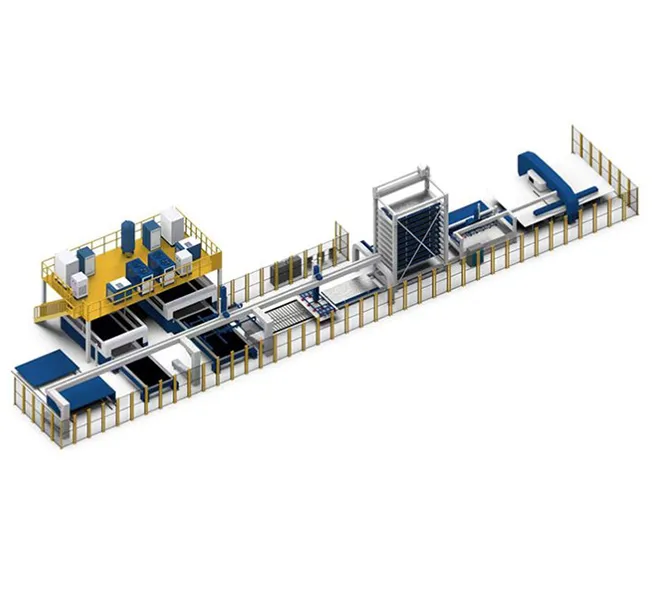
No two factories are exactly the same. That is why a good automatic production line should be customized. Buyers should not only ask, “What is the price?” They should ask, “Can this line match my products, materials, space, and future growth?”
Before designing a line, prepare these details:
This information helps the supplier design a practical automated solution. For example, one factory may need a coil laser cutting production line. Another may need automatic laser cutting with a panel bender. A third may need laser cutting, turret punch, bending, and unloading in one larger system.
Customization makes the line useful. Without it, automation can become expensive but weak.
A cutting production line focuses on cutting blanks from sheets or coil. It may include automatic loading, laser cutting, unloading, sorting, and waste removal. Its main goal is to make accurate flat parts quickly.
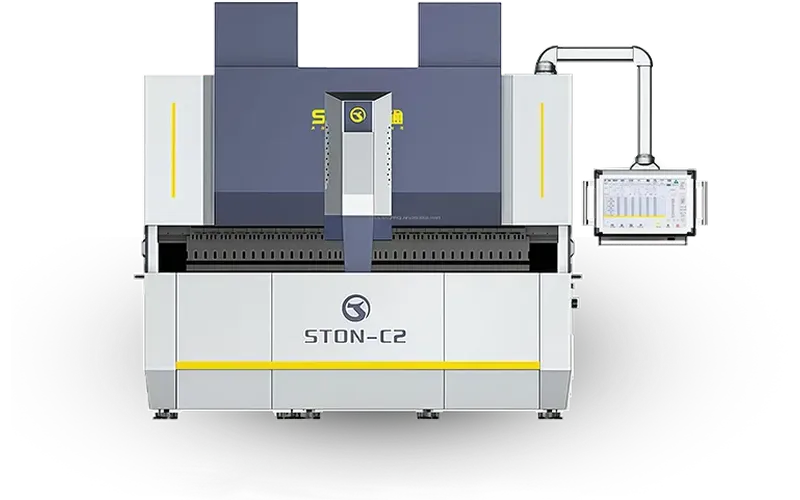
A bending production line focuses on turning flat blanks into formed parts. It may include a panel bender, press brake, bending center, robot, centering platform, and unloading system. Its main goal is to create stable bends with less manual work.
An automatic laser bending production line combines both ideas. It connects cutting and bending into one smarter workflow. This is valuable for factories that want complete automation from raw material to formed parts.
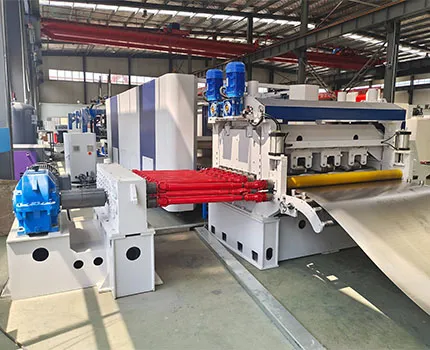
CNC and intelligent control are the brain of the production line. They help coordinate the laser cutting machine, feeding unit, unloading system, panel bender, press brake, and robot or truss system.
Without good control, machines may work, but the workflow will not be smooth. With intelligent control, the line can manage cutting programs, part flow, material feed, sorting, and alarms. This makes operation easier and reduces mistakes.
Important control functions include:
A smart factory needs data and coordination. CNC systems make the production line easier to manage and easier to improve.
A fully automated line can support unmanned or lightly staffed production for selected products and stable batches. However, “unmanned” does not mean no people are needed at all. Operators still need to prepare materials, monitor safety, check quality, and maintain equipment.
The practical goal is to reduce manual work, not remove all people. The line eliminates manual handling in many repeated steps. This allows fewer workers to manage more output.
For mass production, this is powerful. A stable automatic laser cutting and bending system can run with less interruption. It helps factories keep delivery promises even when labor is limited.
STON is a China-based CNC sheet metal machinery manufacturer. We provide panel benders, turret punch presses, press brakes, laser cutting units, and automated production lines. We position ourselves as a sheet metal automation solution provider, not only a single machine seller.
Our customers include sheet metal fabricators, electrical cabinet factories, HVAC manufacturers, appliance producers, metal furniture makers, and machinery distributors. These buyers care about production efficiency, labor cost, stable quality, factory integration, training, and after-sales support.
Useful STON internal links:
When buyers share drawings, material data, and workshop layout, STON can help review whether they need automatic loading and unloading, coil laser cutting, panel bending, press brake bending, turret punching, or a complete automation solution.
It is a connected sheet metal production system that combines laser cutting, loading, unloading, bending, and material handling into one automated workflow.
A laser cutting production line mainly cuts flat blanks. An automatic laser bending line connects cutting with bending, so the factory can move from raw material to formed sheet metal parts more efficiently.
Yes. A coil-based line can process steel coil by uncoiling, leveling, feeding, laser cutting, unloading, and then sending blanks to bending or sorting.
Common users include electrical cabinet factories, HVAC manufacturers, appliance producers, metal furniture makers, machinery cover factories, and general sheet metal fabricators.
Yes. It reduces labor costs by lowering manual loading, unloading, lifting, sorting, and repeated part movement. Workers can focus more on control and quality.
Yes. STON can customize the production line based on product drawings, steel coil size, sheet size, material thickness, output target, workshop layout, and automation needs.

Que vous modernisiez une ligne existante ou que vous lanciez un nouveau projet, STON personnalisera une solution CNC pour votre production.


