Somos responsáveis pela construção----- somos responsáveis pelo fabrico----- somos responsáveis pela formação

Muitas fábricas de chapas metálicas ainda dependem do carregamento manual, do corte separado e do manuseio repetido de materiais. Isso reduz a produção, aumenta os custos de mão de obra e dificulta o controle da qualidade. Uma linha de produção automática de bobina a corte resolve esses problemas com automação integrada.
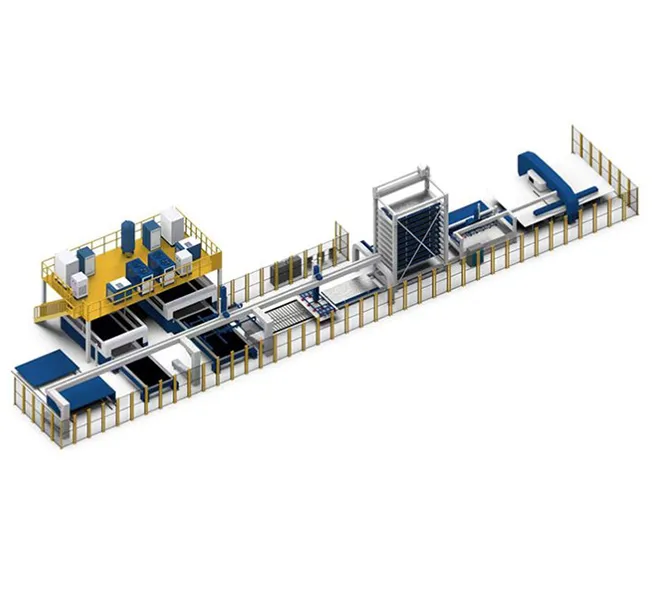
Uma linha automática de produção de chapas metálicas de bobina a peças cortadas transforma a bobina metálica em peças cortadas, classificadas e prontas para dobragem por meio da alimentação da bobina, nivelamento, corte a laser, puncionamento, recebimento, empilhamento e, opcionalmente, dobra de painéis ou puncionamento em torre. Ela ajuda os fabricantes a reduzir o manuseio manual, melhorar a precisão e desenvolver um processo de produção de chapas metálicas mais eficiente.
Para oficinas de fabricação de chapas metálicas, fábricas de quadros elétricos, produtores de dutos de HVAC, fábricas de eletrodomésticos, fabricantes de gabinetes para telecomunicações, fábricas de móveis metálicos e fabricantes de gabinetes para carregadores de veículos elétricos, a pressão é clara. Os clientes querem prazos de entrega mais curtos. Os trabalhadores precisam de uma operação mais simples. Os proprietários das fábricas precisam de um OEE mais alto, menos desperdício e uma qualidade mais estável.
É por isso que mais fabricantes estão migrando da produção com máquinas individuais para soluções de automação de chapas metálicas. Em vez de tratar o corte a laser, a puncionamento, a classificação e a dobra como ilhas separadas, uma linha de produção de bobina a corte conecta esses processos em um fluxo de trabalho mais inteligente.
Na STON, vemos uma linha de produção automática como uma solução completa de fabricação. Ela começa com o material em bobina e passa pelo desbobinamento, nivelamento, corte a laser, recebimento automatizado, empilhamento e dobra ou puncionamento em torre opcionais. O objetivo não é apenas automatizar uma etapa. O objetivo é melhorar todo o ritmo de produção.
Muitos compradores sabem que precisam de um corte mais rápido, mas talvez não saibam onde começa o verdadeiro gargalo. Muitas vezes, ele começa antes da máquina de corte.
Uma linha automática de produção de chapas metálicas de bobina a corte é um sistema conectado que alimenta a bobina metálica, nivela o material, corta as peças a laser e encaminha as chapas ou painéis acabados para o processo seguinte com menos manuseio manual.

Uma oficina tradicional de chapas metálicas costuma usar chapas planas. Os trabalhadores retiram as chapas do armazenamento, carregam-nas em uma máquina de corte a laser, removem as peças, separam as chapas cortadas e depois as encaminham para puncionamento, dobra ou soldagem. Esse método é simples, mas pode gerar muitos custos ocultos. Os trabalhadores gastam tempo movimentando o material. As empilhadeiras ficam esperando. As chapas podem riscar. Os operadores podem separar o lote errado. A máquina de corte pode ficar parada enquanto as pessoas preparam a próxima chapa.
Uma linha de bobina a corte transforma esse processo. A linha começa com uma bobina metálica. A bobina é colocada em um suporte de bobina ou sistema de carregamento. Em seguida, o material é desenrolado e nivelado. A linha alimenta a tira aplanada na área de corte a laser. Após o corte, o sistema pode receber, separar, empilhar ou transferir as peças para a máquina seguinte.
É por isso que o sistema é útil para a produção de chapas metálicas em alto volume e em lotes mistos. Ele mantém um fluxo contínuo de material. Também ajuda a reduzir o trabalho repetitivo de carregamento. Para fábricas que processam painéis de quadros elétricos, peças de HVAC, painéis de portas, painéis de eletrodomésticos, racks de servidores ou peças personalizadas de chapas metálicas, essa linha pode tornar a produção mais organizada e estável.
O sistema não é apenas uma máquina de corte a laser. É uma linha de produção totalmente automática com processamento de bobinas, corte a laser, unidades de automação e integração downstream.
Uma linha de produção de bobina para corte funciona como uma corrente conectada. Se uma parte estiver instável, todo o processo de produção pode desacelerar.
A linha normalmente funciona através do carregamento de bobinas, desenrolamento, nivelamento, alimentação por servo, corte a laser, recebimento de peças, classificação e empilhamento. Cada módulo ajuda a próxima etapa a funcionar de forma mais suave.
O primeiro passo é alimentação de bobina. O material em bobina é carregado na linha. Esta etapa reduz a necessidade de preparar chapas individuais uma a uma. Também cria um fornecimento de material mais contínuo.
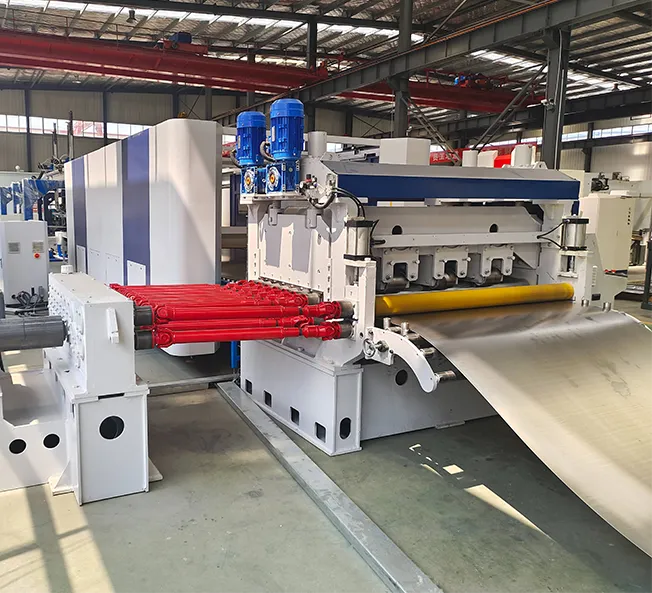
A segunda etapa é o desenrolamento. O sistema libera a tira da bobina e a envia para frente. Como o material em bobina frequentemente tem curvatura ou tensão interna, a próxima etapa é o nivelamento. A máquina niveladora ajuda a aplainar o material antes do corte. Isso é muito importante porque o material plano proporciona melhor precisão no corte a laser e peças acabadas mais estáveis.
Após o nivelamento, o sistema de alimentação servo controla o movimento do material. Ele envia a tira para frente de acordo com o programa. Em seguida, o módulo de corte a laser corta blanks, furos, perfis, ranhuras ou painéis moldados. O padrão de corte pode ser alterado por programa, portanto a linha é mais flexível do que um processo de matriz fixa.
Após o corte, a linha pode mover as peças para uma plataforma de recebimento de material, área de triagem ou sistema de empilhamento. Para algumas fábricas, é aqui que muita mão de obra pode ser reduzida. Os operadores não precisam mais descarregar manualmente cada chapa e separar cada peça da mesa de corte.
| Etapa do Processo | Função Principal | Valor de Fábrica |
|---|---|---|
| Carregamento de bobina | Coloca o material da bobina na linha | Reduz a preparação manual de chapas |
| Desenrolar | Libera a tira de metal da bobina | Suporta alimentação contínua |
| Nivelamento | Aplana o material da bobina | Melhora a estabilidade de corte |
| Alimentação servo | Controla a distância e velocidade de alimentação | Ajuda a melhorar a precisão |
| Corte a laser | Corta blanks e perfis | Suporta formas de peças flexíveis |
| Recebimento | Coleta peças acabadas | Reduz descarregamento manual |
| Classificação | Separa diferentes peças | Melhora o controle do fluxo de trabalho |
| Empilhamento | Empilha blanks ou painéis | Suporta transferência para o próximo processo |
Este fluxo de trabalho ajuda as fábricas a passarem de operações separadas para automação conectada de chapas metálicas.
Alguns compradores focam apenas na potência do laser, mas a preparação do material frequentemente decide se a linha pode funcionar bem.
O desenrolamento e o nivelamento são importantes porque o material em bobina deve se tornar plano, estável e pronto para corte a laser, puncionamento, dobra ou empilhamento precisos.
O material em bobina não é o mesmo que chapa plana. Ele é armazenado em forma enrolada. Quando a bobina é aberta, o material pode apresentar curva, ondulação ou tensão interna. Se a linha envia esse material diretamente para o corte a laser, a qualidade do corte pode ser prejudicada. A peça pode não permanecer plana. A qualidade da borda pode se tornar instável. O processo de dobra posterior também pode se tornar mais difícil de controlar.
É por isso que o desenrolamento e o nivelamento são partes essenciais da linha de produção. O dispositivo de desenrolamento alimenta o material na linha. A máquina niveladora ajusta o material e ajuda a produzir uma tira mais plana. Uma tira melhor suporta melhor corte a laser e blanks mais consistentes.
Para compradores B2B, isso importa porque muitos produtos de chapas metálicas precisam de precisão de montagem. Gabinetes elétricos, arquivos de aço, caixas de telecomunicações, móveis metálicos, painéis de eletrodomésticos e caixas de carregamento de VE todos precisam de dimensões estáveis. Se o blank não estiver plano ou preciso, a dobra e montagem posteriores levarão mais tempo.
Um bom processamento de bobina também melhora o fluxo de material. Os operadores não precisam mover chapas planas do armazenamento para a máquina de corte a laser repetidamente. A linha pode continuar alimentando material da bobina. Isso suporta ciclos de produção mais longos e ajuda a reduzir erros de manuseio.
Ao comparar fornecedores, os compradores não devem perguntar apenas sobre o sistema de corte a laser. Devem perguntar como a linha gerencia o carregamento de bobina, desenrolamento, nivelamento, velocidade de alimentação, planicidade, proteção de superfície e recebimento de peças. Esses detalhes determinam se a linha automática é prática na produção diária.
O corte a laser proporciona flexibilidade à linha de produção. Permite que as fábricas cortem peças diferentes sem depender de uma matriz de corte fixa.
O corte a laser melhora a produção de bobina para corte ao cortar formas flexíveis diretamente do material de bobina nivelado. Suporta mudanças rápidas de design, lotes mistos de peças e preparação precisa de blanks para processos posteriores.


Na produção tradicional, as fábricas podem usar cisalhamento ou estampagem para preparar blanks. Esses métodos são úteis, mas têm limitações. O cisalhamento é bom para cortes retos. A estampagem pode ser rápida para peças fixas. Mas quando as formas das peças mudam frequentemente, o custo de ferramentas e o tempo de setup podem se tornar um problema.
O corte a laser resolve esse problema usando programas digitais. A linha pode cortar diferentes formas de blanks, ranhuras, furos, curvas e contornos sem mudar uma matriz rígida. Isso é útil para fábricas que processam muitos modelos, peças personalizadas ou pedidos mistos.
Por exemplo, um fabricante de armários elétricos pode precisar de diferentes tamanhos de portas, painéis laterais, painéis traseiros e chapas de montagem. Uma fábrica de móveis de metal pode precisar de vários tamanhos de painéis. Um produtor de HVAC pode precisar de diferentes peças de dutos. Uma linha de corte a laser coil-to-cut pode ajudar essas fábricas a preparar peças com menos etapas manuais.
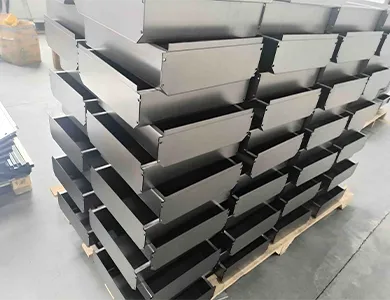
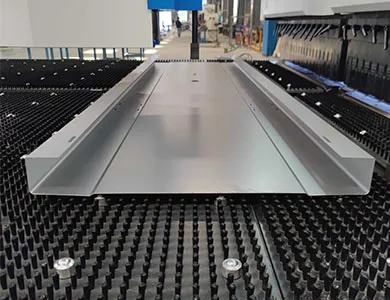
O corte a laser também funciona bem com automação posterior. Após o corte, os blanks podem ir para recebimento automatizado, classificação, empilhamento, dobra de painéis ou puncionamento de torre. Isso torna a linha mais do que uma célula de corte. Ela se torna parte do processo completo de produção de chapas metálicas.
Para compradores, o fundamental é combinar potência do laser, área de corte, tipo de material e velocidade da linha com as necessidades reais da fábrica. Um sistema maior nem sempre é melhor. Um sistema melhor é aquele que se ajusta à largura da bobina, espessura, desenhos dos produtos, produção diária e layout da oficina.
Muitas fábricas não param depois do corte. Elas ainda precisam de puncionamento, dobra, classificação e empilhamento. É na integração que a automação agrega mais valor.
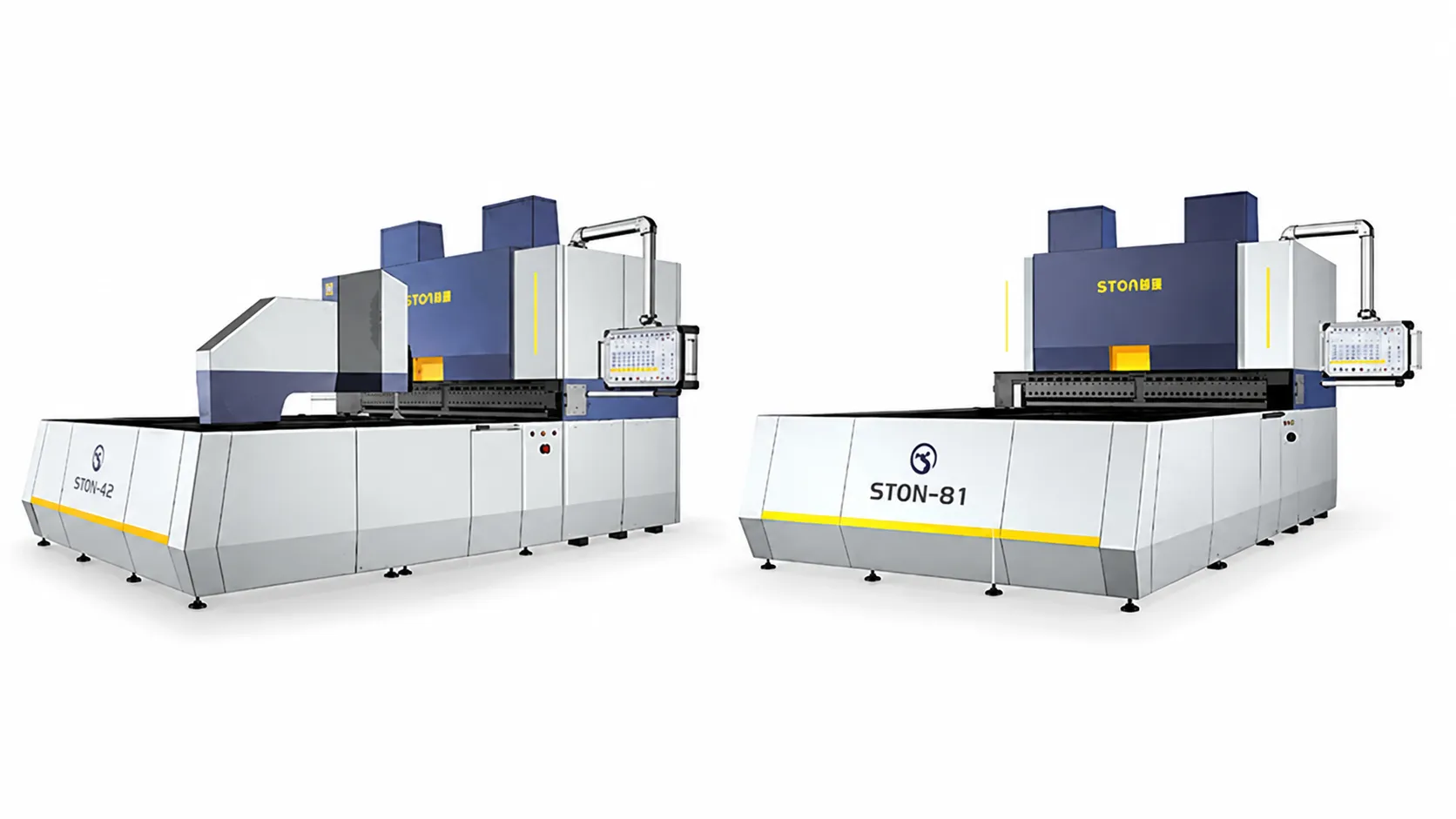
Sim. Uma Linha de produção automática STON pode integrar corte a laser, puncionamento em torre, dobra de painéis, recebimento, classificação, empilhamento e transferência por robô ou pórtico, de acordo com as necessidades do processo do comprador.
Uma linha de produção do desenrolamento da bobina ao corte pode ser projetada em diferentes níveis. Alguns compradores precisam apenas de desenrolamento, nivelamento e corte a laser. Outros precisam de uma linha de produção automática de dobra a laser. Alguns precisam que a linha se conecte a uma dobradeira de painéis ou a uma puncionadeira de torre. Outros querem que um pórtico ou braço robótico mova as peças entre as estações.
Isso é importante porque cada fábrica tem um mix de produtos diferente. Uma fábrica de painéis elétricos pode precisar de corte e dobra. Um fabricante de dutos de ventilação pode precisar de corte e puncionamento. Uma fábrica de racks para servidores pode precisar de corte, puncionamento, classificação e dobra. Uma fábrica de móveis metálicos pode precisar de corte, empilhamento e posterior conformação.
A STON pode ajudar os compradores a planejar a linha de acordo com seu processo real. A linha pode incluir:
O benefício não é apenas ter menos máquinas. O valor real está em ter menos interrupções no processo. Quando corte, classificação, puncionamento e dobra são planejados em conjunto, a oficina se torna mais organizada. Os operadores conseguem gerenciar a produção com mais facilidade. As peças podem se movimentar de forma mais fluida. A fábrica pode reduzir o tempo ocioso entre as máquinas.
É por isso que a automação de chapas metálicas não se trata apenas de substituir trabalhadores. Trata-se de melhorar todo o fluxo de produção.
Os compradores frequentemente perguntam se uma linha automática vale o investimento. A resposta depende do volume de produção da fábrica, do custo de mão de obra e dos gargalos do processo.
As soluções de automação de chapas metálicas STON ajudam os compradores a reduzir o manuseio manual, melhorar a repetibilidade, conectar múltiplos processos, suportar produção contínua e personalizar a linha para condições reais da oficina.
O primeiro benefício é a redução do manuseio manual. Em muitas oficinas, os trabalhadores gastam muito tempo movendo chapas, carregando máquinas, descarregando peças cortadas e separando blanks. Uma linha bobina-para-corte reduz essas tarefas repetidas.
O segundo benefício é melhor repetibilidade. Quando a linha utiliza alimentação controlada, nivelamento, corte a laser e recebimento automatizado, o processo torna-se mais estável. Isso ajuda a melhorar a consistência das peças.
O terceiro benefício é maior eficiência de produção. Uma linha conectada reduz o tempo de espera entre preparação de material, corte e recebimento. Para produção em larga escala, essas pequenas economias de tempo tornam-se importantes.
O quarto benefício é a integração de processos. A linha pode conectar o corte a laser com puncionamento tipo torre, dobra de painéis ou empilhamento automático. Isso é valioso para fábricas que desejam avançar em direção à produção inteligente.
O quinto benefício é a personalização. A STON pode personalizar a largura da bobina, a velocidade de alimentação, o layout da linha, a seleção do módulo de corte, o nível de automação e a integração downstream com base nas necessidades do cliente. Isso é importante porque não existem duas oficinas exatamente iguais.
O sexto benefício é a operação mais fácil e o planejamento de serviços. Uma linha bem projetada não deve ser difícil de gerenciar. Os compradores precisam de treinamento, suporte de comissionamento, peças de reposição e comunicação pós-venda. Esses detalhes de serviço afetam o tempo de atividade e o custo a longo prazo.
Para a STON, o objetivo não é vender uma máquina padrão para cada comprador. O objetivo é ajudar cada cliente a construir uma linha de produção automática prática que corresponda ao seu material, desenhos de produtos, espaço da fábrica e metas de produção.
Uma linha automática de bobina para corte é mais útil para fábricas que processam peças repetidas de chapas metálicas com tamanhos variáveis, alto volume ou múltiplas etapas downstream.
Esta linha de produção é adequada para armários elétricos, dutos de HVAC, painéis de eletrodomésticos, gabinetes de telecomunicações, gabinetes de carregamento de veículos elétricos, móveis metálicos, utensílios de cozinha, batentes de portas e produção personalizada de chapas metálicas.
Diferentes setores utilizam a linha de maneiras distintas.
| Indústria | Peças típicas | Como a linha ajuda |
|---|---|---|
| Fabricação de armários elétricos | portas, painéis laterais, placas de montagem | chapas estáveis e dobra posterior mais fácil |
| Produção de arquivos de escritório | painéis de gavetas, estruturas, tampas | tamanhos repetidos e produção em lotes |
| Dutos de HVAC | painéis de dutos, coberturas, peças de ventilação | fluxo de material mais rápido e corte flexível |
| Fabricação de eletrodomésticos | painéis externos, suportes, coberturas | mudanças de modelo e controle de superfície |
| Produção de gabinetes para telecomunicações | racks de servidor, armários de rede | integração de puncionamento, corte e dobra |
| produção de gabinetes para carregamento de VE | painéis de caixa, tampas, suportes | produção de precisão e modelo misto |
| Fábricas de portas e caixilhos | estruturas, painéis, peças de reforço | peças longas e produção repetida |
| Fábricas de móveis metálicos | prateleiras, painéis, estruturas | tamanhos variados e melhor classificação |
| Fábricas de utensílios de cozinha | painéis e componentes em aço inoxidável | processamento limpo e produtos variados |
Essas indústrias frequentemente compartilham o mesmo problema. Elas precisam de processamento estável de chapas metálicas, mas os tamanhos dos produtos e pedidos mudam. Um processo fixo pode ser muito lento. O carregamento manual pode criar gargalos. A produção em máquina única pode criar tempo de espera.
Um linha automática ajuda essas fábricas a construir um processo mais suave. Pode reduzir o manuseio de materiais, melhorar a preparação de blanks e apoiar puncionamento ou dobra a jusante. Isso é especialmente útil para compradores que desejam maior OEE, menor custo total de propriedade e melhor planejamento de produção.
A seleção de materiais afeta o corte a laser, nivelamento, alimentação, proteção de superfície e dobra downstream. Os compradores devem definir os detalhes do material antes de escolher uma linha.
Uma linha de produção automática de bobina para corte pode ser configurada para materiais de chapa metálica comuns, como aço laminado a frio, aço galvanizado, aço inoxidável, liga de alumínio e chapa pré-pintada.
O material é um dos detalhes mais importantes no projeto da linha. Diferentes materiais se comportam de maneira diferente durante o desenrolamento, nivelamento, corte a laser e empilhamento. O aço laminado a frio é comum para armários e gabinetes. O aço galvanizado é comum para HVAC, caixas elétricas e produtos de ventilação. O aço inoxidável é frequentemente usado em utensílios de cozinha, equipamentos de laboratório e alguns produtos industriais. A liga de alumínio é útil para peças leves. A chapa pré-pintada necessita de proteção cuidadosa da superfície.
O comprador deve preparar dados claros da bobina antes de solicitar uma solução. Isso inclui largura da bobina, faixa de espessura, peso da bobina, diâmetro interno, diâmetro externo, grau do material, acabamento de superfície e tipo de revestimento. O fornecedor também precisa de desenhos das peças e metas de produção.
Uma linha para painéis de eletrodomésticos visíveis pode precisar de proteção de superfície mais forte. Uma linha para chapa galvanizada pode precisar de parâmetros de corte corretos e manuseio de fumaça. Uma linha para aço inoxidável pode precisar de corte a laser estável e recebimento cuidadoso de peças. Uma linha para material espesso pode exigir diferente potência de nivelamento e configuração de corte.
Os compradores não devem apenas perguntar: “Esta linha pode processar meu material?”
Eles devem perguntar: “Esta linha pode processar meu material todos os dias com qualidade estável, operação segura e manutenção fácil?”
Esta pergunta é mais prática. Ela ajuda a evitar problemas após a instalação.
Nenhuma fábrica tem o mesmo layout, mix de produtos ou condições de mão de obra. Uma linha automática útil deve se adaptar à oficina real.
A STON pode personalizar o layout da linha de produção automática com base na largura da bobina, espessura do material, capacidade de produção, requisitos de corte, espaço da oficina, nível de automação, fornecimento de energia local e necessidades do processo posterior.
A personalização é importante porque uma linha de produção automática não é uma pequena máquina independente. Ela afeta o fluxo de materiais, o trabalho dos operadores, o espaço para manutenção, o fornecimento de energia, o layout de segurança e futuras expansões. Um layout inadequado pode criar trajetos longos para deslocamento, tornar lenta a transferência das peças ou dificultar a manutenção.
A STON pode ajudar os compradores a planejar a linha com base nas necessidades reais de cada cliente. Alguns compradores precisam de uma linha compacta porque o espaço na oficina é limitado. Outros precisam de uma linha de alta produtividade para produção em massa. Alguns precisam de uma linha que possa ser conectada a um sistema de corte a laser existente. Outros precisam de uma linha completa com corte, puncionamento, dobra e empilhamento.
A personalização pode incluir:
For distributors and system integrators, customization also matters because end users may come from different industries. A line for an HVAC plant is not always the same as a line for an EV enclosure factory. A line for office furniture may need different sorting and stacking logic from a line for appliance panels.
STON’s role is to help buyers avoid a one-size-fits-all purchase. We help evaluate drawings, material, line layout, automation level, and production goals before suggesting a solution.
A good automatic line proposal starts with clear information. The more details buyers provide, the more accurate the solution can be.
Before requesting a custom automatic production line, buyers should prepare material data, coil size, part drawings, thickness range, output target, workshop layout, downstream process, local standards, and automation goals.
Here is a practical checklist:
| Informação | What to Prepare |
|---|---|
| Material | cold-rolled steel, galvanized steel, stainless steel, aluminum, pre-painted sheet |
| Coil data | width, thickness, weight, inner diameter, outer diameter |
| Part drawings | blank size, holes, slots, edge shape, bending requirements |
| Production target | hourly, daily, or monthly output |
| Current process | manual loading, laser cutting, punching, bending, shearing, or stamping |
| Layout da oficina | available space, material flow, existing machines |
| Automation goal | semi-automatic, fully automatic, or future upgrade |
| Downstream process | panel bending, turret punching, press brake, welding, assembly |
| Local conditions | voltage, air supply, temperature, humidity, safety requirements |
| Necessidades de serviço | installation, commissioning, training, spare parts, remote support |
This checklist helps the buyer and supplier speak the same language. It also helps prevent misunderstandings. For example, if the buyer only says “I need an automatic laser line,” the supplier may not know the material width, part shape, automation level, or factory layout. The proposal may become too broad.
A clear request allows STON to recommend the right line equipment. It also helps the buyer compare solutions fairly. A low-price proposal may look attractive, but it may not include the right automation units, receiving system, or training support. A better proposal should match both current production and future growth.

Quer esteja a atualizar uma linha existente ou a iniciar um novo projeto, a STON personalizará uma solução CNC para a sua produção.


