Siamo responsabili della costruzione----- siamo responsabili della produzione----- siamo responsabili della formazione

There’s a pressing need for consistent, high-precision manufacturing. Yet achieving quality punches on metal can feel daunting for many shops. If you feel stuck with outdated presses or inconsistent results, consider a better approach. A top-tier sheet metal punch machine offers the solution to keep you competitive.
A sheet metal punch machine is specialized machinery designed to punch, notch, or shape metal with precision and repeatability. By applying significant tonnage to a punch and die, it ensures quick, clean cuts or formed holes through mechanical or hydraulic force, accommodating a variety of materials with ease.

A punch machine for sheet metal is exactly what it sounds like—a machine that uses a punch to create holes, slots, and features in flat sheet material. When we talk about punching thick material or working with different materials, a robust setup is crucial. At its core, it involves using a punch pressed against a female die, resulting in a blank or hole. That straightforward concept, however, has endless applications in metal fabrication.
Here at STON, a Sheet-Metal Automation & CNC Fabrication Equipment Manufacturer (OEM/ODM, Factory-Direct), we often see customers in metalworking industries—sheet-metal job shops, HVAC duct producers, and mechanical punch presses users—looking for a more cost-effective and reliable punch machine. We believe the right machine can transform a shop’s productivity, especially if you need alta precisione and repeatability at scale.
This sort of machine solves the challenge of achieving consistent hole punching and forming operations quickly. Rather than manually drilling or performing numerous steps, a punch is both faster and more accurate, lowering labor costs. By leveraging either hydraulic or mechanical drives— and sometimes even electric servo power— engineers get consistent stroke depth and desired stroke speeds with minimal setup time.

Automatic punching machines are designed for high efficiency, helping you reduce manual intervention. With a punch machine that includes automation features, you can handle batch runs of sheet metal parts swiftly, repeating each punching operation with minimal downtime. This is particularly beneficial for punching thick material or for repetitive tasks that demand precision and repeatability.
STON builds solutions with advanced management software e material handling add-ons. For instance, automatic feeders and repositioning clamp systems manage the workpiece so the operator only needs to oversee the process and check for part quality. This means you can nibble around complex contours, punch knockout holes for things like conduit openings, or even form a louver in the same run— all with minimal manual adjustment.
Ultimately, automatic punching machines let shops handle bigger workloads, maintain better job flow, and reduce downtime.

A sheet metal punch requires a proper punching tool arrangement to handle metal you are punching. Typically, that includes a punch and a female die . The alignment, lubrication, and careful monitoring of material thickness matter when forming consistent holes.
Common Tools in Punch Operations
Having the right tool for each job ensures high-quality edges and minimal deburring. Combined with a quality press machine, you can maintain consistent output and enhance productivity.
Selecting the ideal sheet metal punch machine and press depends on factors like material thickness, the metal you are punching, production volumes, and desired tolerances. Another big consideration is whether you’ll go hydraulically driven or servo driven. The best approach balances speed, control, and cost-effective ownership.

For instance, STON has specialized lines that incorporate machines are designed for large panels, off-size cabinets, or even door & frame segments. With advanced management software, these solutions let you coordinate multiple runs, store job setups, and install region-specific safety features.
Dopo l'acquisto della macchina, provvedete all'installazione, alla messa in funzione e alla formazione dell'operatore?
Sì, offriamo un servizio unico: “installazione in loco + messa in servizio + formazione personalizzata”. Ingegneri professionisti si recano presso la sede del cliente per completare l'assemblaggio della linea di produzione e la messa in funzione dell'integrazione delle apparecchiature, per garantire che la linea raggiunga la capacità progettata. Forniamo inoltre una formazione teorica e pratica per gli operatori (6-8 giorni), che comprende il funzionamento delle apparecchiature, la manutenzione ordinaria e la risoluzione dei problemi. Dopo la formazione, forniamo un manuale per l'operatore e video tutorial.
Potete fornire soluzioni personalizzate per esigenze particolari?
Sono disponibili servizi personalizzati. Ottimizziamo la struttura della macchina in base allo spazio dell'officina del cliente, alla capacità di carico e ai requisiti di lavorazione. Pur garantendo l'accuratezza della lavorazione, adattiamo la macchina alle condizioni di alimentazione elettrica e di aria esistenti nell'officina per garantire un'installazione senza problemi e un funzionamento efficiente.
Qual è il vostro tempo di risposta post-vendita in caso di malfunzionamento? Come fornite l'assistenza tecnica?
Abbiamo istituito un meccanismo di risposta post-vendita globale di 24 ore: I clienti possono inviare segnalazioni di risoluzione dei problemi tramite telefono, e-mail o servizio clienti online e una soluzione preliminare sarà fornita entro 1 ora. Se è necessario un debug remoto, un tecnico fornirà una guida video entro 2 ore. Per le riparazioni hardware, i clienti nazionali riceveranno una visita entro 48 ore, mentre i clienti esteri possono utilizzare i centri di assistenza autorizzati o la consegna rapida dei componenti (con le istruzioni per l'installazione) per garantire una rapida risoluzione.
Qual è il periodo di garanzia delle vostre attrezzature per la lavorazione della lamiera? Cosa copre la garanzia?
Tutte le nostre attrezzature standard (centri di piegatura flessibili, punzonatrici a torretta CNC, presse piegatrici, punzonatrici e cesoie) sono coperte da una garanzia gratuita di un anno. Per alcuni prodotti con una maggiore complessità del sistema, il periodo di garanzia può essere esteso a 18 mesi. La garanzia copre la riparazione e la sostituzione dei problemi di qualità dei componenti principali (come servomotori, sistemi CNC e guide), oltre a ispezioni gratuite in loco durante il periodo di garanzia. Si noti che i guasti alle apparecchiature causati da errori umani, cause di forza maggiore (come inondazioni e terremoti) o mancata osservanza del manuale di manutenzione non sono coperti dalla garanzia gratuita, ma sono disponibili servizi di riparazione a pagamento.
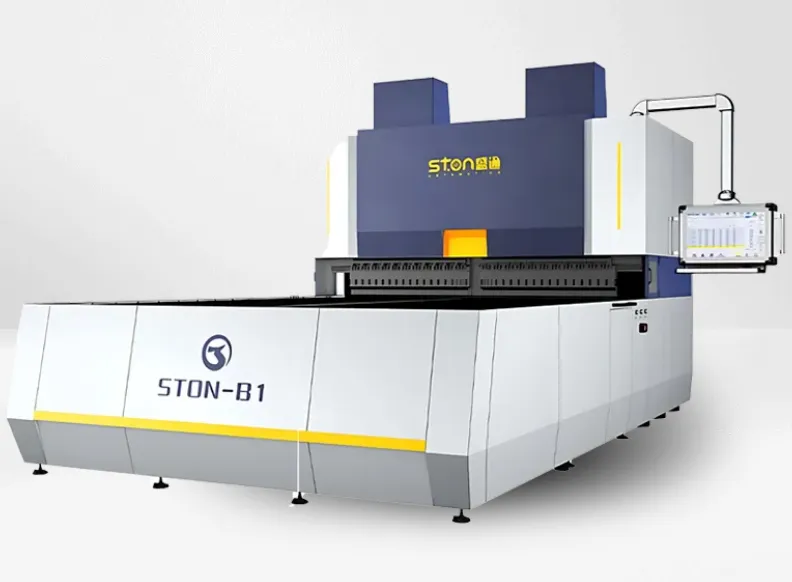
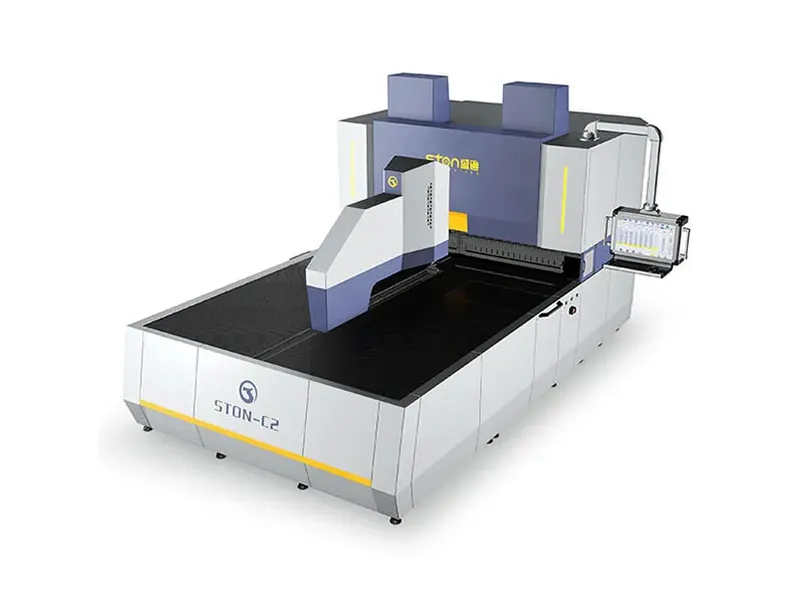
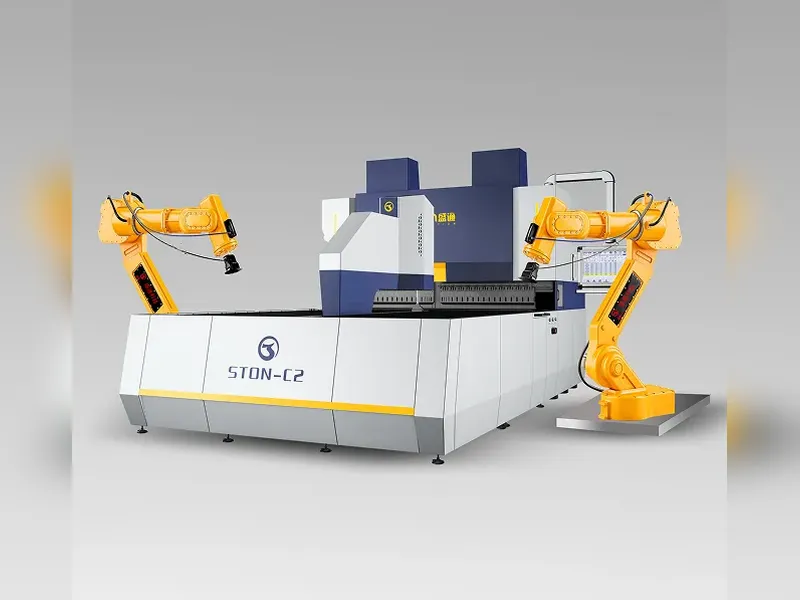
Sia che stiate aggiornando una linea esistente o iniziando un nuovo progetto, STON personalizzerà una soluzione CNC per la vostra produzione.


