Siamo responsabili della costruzione----- siamo responsabili della produzione----- siamo responsabili della formazione

La produzione manuale di lamiere può rallentare l'attività delle fabbriche di armadi e involucri. Le operazioni ripetitive di carico, smistamento, punzonatura e piegatura causano ritardi, errori e un aumento dei costi di manodopera.
Una linea di produzione automatica per lamiera aiuta i produttori di armadi e involucri a collegare i sistemi di taglio, punzonatura, piegatura, smistamento, impilamento e carico in un unico flusso di lavoro più fluido. La linea giusta dovrebbe corrispondere alle dimensioni del pezzo, al tipo di materiale, al volume di produzione, al livello di automazione, al layout dello stabilimento e alle esigenze di espansione futura.
La produzione di armadi e involucri richiede una precisione costante. Un minimo errore in un pannello della porta, in una piastra laterale, in una piastra di montaggio o in un foro di ventilazione può compromettere la qualità dell’assemblaggio. Per armadi elettrici, schedari, involucri per telecomunicazioni, armadi di ricarica per veicoli elettrici e apparecchiature di laboratorio, la ripetibilità è fondamentale ogni giorno.
Ecco perché molte fabbriche stanno passando dalla produzione con singole macchine all’automazione interconnessa nella lavorazione della lamiera. Anziché utilizzare una macchina per il taglio, un’altra per la punzonatura, un’altra ancora per la piegatura e numerosi operai per il trasferimento, una linea di produzione automatizzata consente all’intero processo di svolgersi con meno interruzioni.
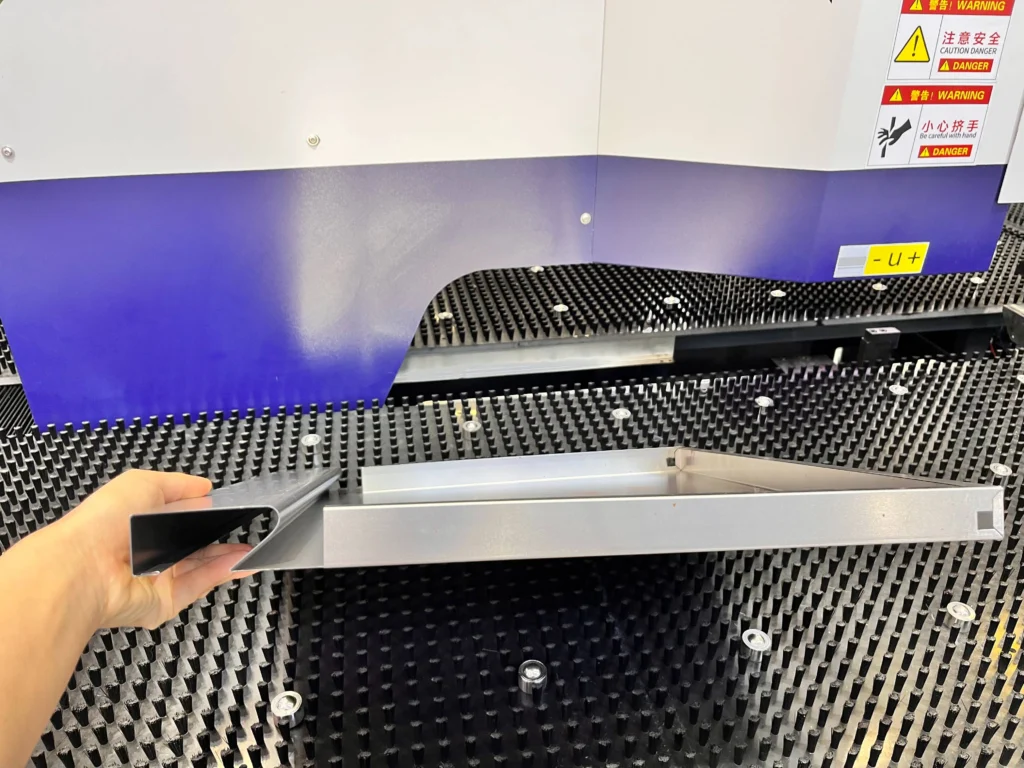
Per STON, l'obiettivo non è quello di far sì che ogni stabilimento acquisti la stessa linea. L'obiettivo è aiutare gli acquirenti a scegliere una soluzione di automazione pratica, basata su componenti reali, sulla produzione effettiva e sulle condizioni reali dell'officina.
Molti acquirenti desiderano l’automazione, ma potrebbero non sapere cosa dovrebbe essere incluso nella linea. Un piano operativo chiaro è il primo passo.
Una linea di produzione automatizzata per la lavorazione della lamiera è un sistema integrato che può comprendere attrezzature per il taglio, la punzonatura, la piegatura, il carico, lo scarico, la selezione, l'impilamento e il trasferimento dei materiali destinati alla produzione di componenti in lamiera.
Una linea di produzione è diversa da una singola macchina CNC. Una singola macchina svolge un’unica operazione principale. Una linea di produzione, invece, integra tra loro diverse operazioni. Ad esempio, uno stabilimento di produzione di mobili potrebbe aver bisogno di taglio laser, punzonatura a torretta, piegatura dei pannelli e impilamento automatico. Se ogni fase venisse eseguita separatamente, gli operai dovrebbero spostare i pezzi più volte. Ciò comporta tempi di attesa e rischi per la qualità.
Un linea automatica può ridurre questi problemi. Può utilizzare un sistema di carico per convogliare il materiale nella macchina. Può utilizzare un pressa punzonatrice a torretta CNC per la lavorazione di fori, feritoie ed elementi sagomati. Può utilizzare una piegatrice per pannelli per piegare ante di armadi o pannelli di involucri. Può utilizzare un robot o un sistema a traliccio per spostare i pezzi tra le stazioni. Può inoltre utilizzare un'unità di impilamento per organizzare i pezzi finiti.
Per gli acquirenti B2B, l’aspetto fondamentale non è il numero di macchine. Ciò che conta è se la linea risolve il collo di bottiglia dello stabilimento. Una piccola officina potrebbe aver bisogno solo di sistemi di carico e scarico automatici per una piegatrice per pannelli. Un grande stabilimento di produzione di quadri elettrici potrebbe invece necessitare di operazioni di taglio, punzonatura, piegatura e smistamento integrate in un unico sistema progettato ad hoc.
Non tutte le fabbriche necessitano del massimo livello di automazione. Le candidate ideali sono le fabbriche che producono pezzi ripetitivi, con una produzione elevata e un carico di lavoro elevato.
L'automazione nella lavorazione della lamiera è particolarmente utile per gli stabilimenti che producono armadi, involucri, componenti per impianti di climatizzazione, mobili in metallo, pannelli per elettrodomestici, telai per porte e prodotti simili in lamiera in lotti ripetuti.
I produttori di quadri elettrici ne sono un ottimo esempio. Spesso realizzano ante, pannelli laterali, pannelli posteriori, piastre di montaggio e pannelli di ventilazione. Questi componenti richiedono operazioni di taglio, punzonatura, piegatura e posizionamento preciso. Se gli operai caricano e spostano ogni singolo componente a mano, il processo può risultare lento.
Anche i produttori di armadi per telecomunicazioni ed energia elettrica necessitano di una qualità costante dei componenti. I loro prodotti presentano spesso fori di fissaggio, fessure di ventilazione, cerniere, chiusure e bordi piegati. Una punzonatrice CNC e una linea di piegatura automatica possono contribuire a garantire l’uniformità di questi dettagli.
Anche gli impianti per la produzione di mobili metallici e scaffalature traggono vantaggio dall’automazione. Questi impianti possono lavorare ripiani, telai, componenti per cassetti, piastre laterali e pannelli di supporto. Questi componenti presentano spesso schemi di foratura ricorrenti e richiedono operazioni di piegatura. L’automazione contribuisce a ridurre la selezione manuale e a migliorare la produttività.
Anche i produttori di condotti per impianti di climatizzazione, gli stabilimenti di elettrodomestici, le fabbriche di articoli per la cucina, gli stabilimenti di porte e infissi e i produttori di cabine di ricarica per veicoli elettrici possono avvalersi dell'automazione nella lavorazione della lamiera. I loro prodotti possono differire, ma le loro esigenze sono simili: produzione più veloce, maggiore ripetibilità, minori costi di manodopera e un controllo più agevole dei processi.

Una linea di produzione dovrebbe seguire il processo reale di lavorazione dei pezzi. Gli acquirenti non dovrebbero scegliere le macchine solo perché sembrano all’avanguardia.
Gli acquirenti dovrebbero scegliere le macchine in base alle effettive fasi di produzione, tra cui taglio, punzonatura, formatura, piegatura, smistamento, impilamento e assemblaggio finale.
Il primo passo consiste nell'esaminare il disegno del pezzo. Il pezzo deve avere fori? Deve avere feritoie? Deve essere goffrato? Deve essere piegato su quattro lati? Deve avere superfici visibili pulite? Queste domande determinano quali macchine devono essere incluse.
Una macchina per il taglio laser è utile per realizzare forme esterne e profili flessibili. Una punzonatrice a torretta è utile per la realizzazione di fori, fessure, feritoie e elementi sagomati ripetuti. Una piegatrice CNC per pannelli è utile per la piegatura automatica su più lati di pannelli, porte, scatole e parti di armadi. Una pressa piegatrice può comunque rivelarsi utile per materiali più spessi o per lavori di piegatura più flessibili.
| Esigenze produttive | Attrezzatura consigliata |
|---|---|
| Forme di taglio flessibili | Macchina per il taglio laser CNC |
| Fori e feritoie ripetuti | pressa punzonatrice a torretta CNC |
| Ante di armadi e pannelli di rivestimento | Curvatura pannelli CNC |
| Piegatura di lamiere spesse | Piegatrice CNC |
| Meno movimentazione manuale | Sistema automatico di carico e scarico |
| Organizzazione dei lotti | Sistema di smistamento e impilamento |
| Aggiornamento completo di fabbrica | Linea di produzione automatica di lamiere |
La linea di produzione ottimale potrebbe combinare diversi di questi sistemi. Ad esempio, uno stabilimento che produce involucri potrebbe ricorrere al taglio laser per i profili, alla punzonatura a torretta per i fori di ventilazione e a una piegatrice per pannelli per le ante degli armadi. Uno stabilimento che produce mobili in metallo potrebbe ricorrere più spesso alla punzonatura e alla piegatura. Uno stabilimento che produce telai per porte potrebbe necessitare di una movimentazione più lunga dei pezzi e di una precisione di piegatura costante.
La linea dovrebbe essere al servizio del prodotto, e non il contrario.
Alcuni acquirenti si concentrano esclusivamente sulla velocità di taglio o di piegatura. Tuttavia, molti ritardi si verificano tra una macchina e l’altra, non all’interno della macchina stessa.
I sistemi automatici di carico, scarico, smistamento e impilamento riducono le operazioni manuali, migliorano il flusso dei componenti e contribuiscono a rendere più fluido il funzionamento dell'intera linea di produzione.
Una macchina veloce non sempre garantisce una produzione veloce. Se gli operatori impiegano troppo tempo a caricare le lastre, rimuovere i pezzi, smistare i pannelli e spostare i pallet, la produzione effettiva potrebbe comunque risultare bassa. Ecco perché la movimentazione dei materiali è importante.
Il caricamento automatico consente di alimentare il materiale in una taglierina laser, in una punzonatrice o in una piegatrice per pannelli. Lo scarico automatico consente di rimuovere i pezzi finiti o le semilavorazioni. Un sistema di smistamento consente di separare i pezzi in base all'ordine, alle dimensioni o alla fase di lavorazione successiva. Un sistema di impilamento consente di disporre i pezzi in modo ordinato in vista della piegatura, dell'assemblaggio o dell'imballaggio.
Per le fabbriche di mobili e armadi, la selezione riveste un’importanza particolare. Un singolo prodotto può comprendere numerosi pannelli diversi. Se un pannello viene indirizzato alla stazione sbagliata, il team di assemblaggio perde tempo. Un processo di selezione e impilamento più efficiente contribuisce a ridurre la confusione.
Questi sistemi migliorano anche la sicurezza. I lavoratori non devono sollevare lamiere pesanti o taglienti con la stessa frequenza. Ciò può ridurre l'affaticamento e diminuire il rischio di incidenti durante la movimentazione.
Dal punto di vista dell’acquirente, l’automazione non dovrebbe limitarsi alla macchina principale. Se le operazioni di carico e scarico sono ancora interamente manuali, lo stabilimento potrebbe non trarre il massimo vantaggio dall’automazione. Una linea ben bilanciata dovrebbe migliorare sia la velocità di lavorazione che la movimentazione dei materiali.
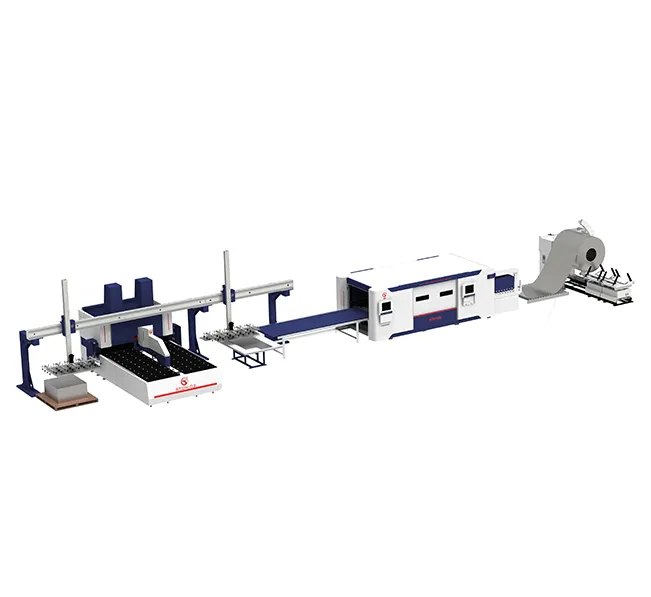
Un buon linea di produzione automatizzata Si parte da dati chiari. Senza dettagli, il fornitore può dare solo una risposta approssimativa.
Prima di scegliere una linea, gli acquirenti dovrebbero verificare i disegni dei componenti, il tipo di materiale, la gamma di spessori, il volume di produzione, la configurazione dell'officina, il livello di automazione, le competenze degli operatori, la disponibilità di energia elettrica in loco e l'assistenza post-vendita.
Prima di richiedere una soluzione, gli acquirenti dovrebbero preparare alcuni dettagli fondamentali.
| Informazioni | Perché è importante |
|---|---|
| Disegni dei prodotti | Indica le esigenze relative al taglio, alla punzonatura e alla piegatura |
| Tipo di materiale | Influisce sulla scelta della macchina e degli utensili |
| Gamma di spessori | Influisce sulla forza di punzonatura e sul metodo di piegatura |
| Dimensioni del pezzo | Influisce sul modello della macchina e sulla disposizione della linea |
| Produzione giornaliera | Aiuta a stabilire il livello di automazione |
| Disposizione del laboratorio | Determina la posizione della macchina e il percorso di trasferimento |
| Attuale collo di bottiglia | Indica da dove dovrebbe partire l'automazione |
| Condizioni di lavoro | Aiuta a stimare le esigenze relative alla movimentazione e al funzionamento |
| Energia locale e clima | Influisce sulla configurazione della macchina |
| Esigenze di assistenza | Incide sulla messa in servizio, sulla formazione e sulla pianificazione dei ricambi |
Gli acquirenti dovrebbero inoltre considerare gli ordini futuri. Se lo stabilimento dovesse ampliare la propria produzione dai pannelli per mobili ai sistemi di involucri, la linea dovrebbe prevedere la possibilità di aggiornamenti. Se l’acquirente dovesse decidere in seguito di aggiungere operazioni di punzonatura o piegatura dei pannelli, la configurazione del sistema dovrebbe consentire una futura integrazione.
Anche il costo totale di proprietà è un fattore importante. Un prezzo di acquisto contenuto potrebbe non rappresentare la scelta migliore se la linea è complessa da gestire, difficile da mantenere o non in grado di supportare i prodotti futuri. Una linea pratica dovrebbe garantire un equilibrio tra prezzo, durata, tempo di funzionamento, consumo energetico, assistenza e produttività a lungo termine.
Una macchina standard potrebbe non essere adatta a tutte le fabbriche. Acquirenti diversi necessitano di soluzioni di automazione diverse.
STON è in grado di fornire supporto per soluzioni personalizzate di automazione nella lavorazione della lamiera, analizzando disegni, dati sui materiali, disposizione dell'officina, obiettivi di produzione, configurazione delle macchine, fabbisogno di utensili e requisiti post-vendita.
STON opera come un Produttore di macchinari per l'automazione della lavorazione della lamiera e la lavorazione CNC. Ci specializziamo in piegatrici CNC per pannelli, punzonatrici a torretta, presse piegatrici, sistemi di taglio laser, sistemi automatici di carico e scarico e linee di produzione personalizzate.
Per un’azienda produttrice di armadi, potremmo proporre una soluzione incentrata sulla piegatura dei pannelli e sul carico automatico. Per un produttore di involucri, potremmo combinare il taglio laser, la punzonatura a torretta e la piegatura. Per uno stabilimento di mobili in metallo, potremmo concentrarci sull’efficienza nella punzonatura ripetitiva, nell’impilamento e nella piegatura. Per un integratore di sistemi o un distributore, potremmo predisporre configurazioni flessibili per diversi utenti finali.
La personalizzazione può comprendere la disposizione della macchina, il piano di attrezzaggio, la velocità della linea, il metodo di carico, i dispositivi di sicurezza, la configurazione dell’alimentazione elettrica locale, la formazione degli operatori e l’assistenza per i pezzi di ricambio. Ciò è importante per gli acquirenti esteri, poiché l’installazione e l’assistenza a lungo termine incidono sul valore reale dell’attrezzatura.
Non consigliamo di scegliere una soluzione di automazione basandosi esclusivamente sulle immagini del catalogo. Un approccio migliore consiste nel condividere innanzitutto i disegni dei componenti, gli obiettivi di produzione e le informazioni relative all’officina. In questo modo, la linea potrà essere progettata in base alle reali esigenze del cliente.
La linea di produzione automatizzata giusta dovrebbe aiutare la vostra fabbrica a produrre più velocemente, con meno errori e un maggiore controllo.
Una linea di produzione automatizzata è adatta solo alle grandi fabbriche?
No. Gli stabilimenti di grandi dimensioni potrebbero aver bisogno di una linea completa, ma quelli più piccoli possono iniziare con il carico e lo scarico automatici oppure con un unico sistema di piegatura collegato. Il giusto livello di automazione dipende dalla produzione e dal budget.
La linea può comprendere sia la punzonatura a torretta che la piegatura dei pannelli?
Sì. Una linea di automazione per la lavorazione della lamiera può integrare la punzonatura a torretta, la piegatura dei pannelli, il taglio laser, la selezione e l'impilamento, purché il flusso di lavoro e la disposizione siano progettati correttamente.
Qual è il principale vantaggio dell'automazione nella lavorazione della lamiera?
Il vantaggio principale è un flusso di produzione più fluido. L’automazione riduce i trasferimenti manuali, migliora la ripetibilità e favorisce la collaborazione tra le macchine, invece che il loro funzionamento come entità isolate.
Come faccio a sapere quale macchina va messa per prima?
Dovresti partire dai disegni dei tuoi componenti e dal collo di bottiglia attuale. Se il taglio è lento, inizia con l’automazione del taglio. Se la piegatura limita la produzione, concentrati sulla piegatura dei pannelli o sull’automazione della pressa piegatrice.
STON può personalizzare la linea in base ai diversi prodotti?
Sì. STON è in grado di personalizzare la linea in base al materiale, alle dimensioni dei pezzi, al volume di produzione, alla configurazione dell'officina, agli obiettivi di automazione, alle esigenze relative alle attrezzature e alle condizioni di lavoro locali.
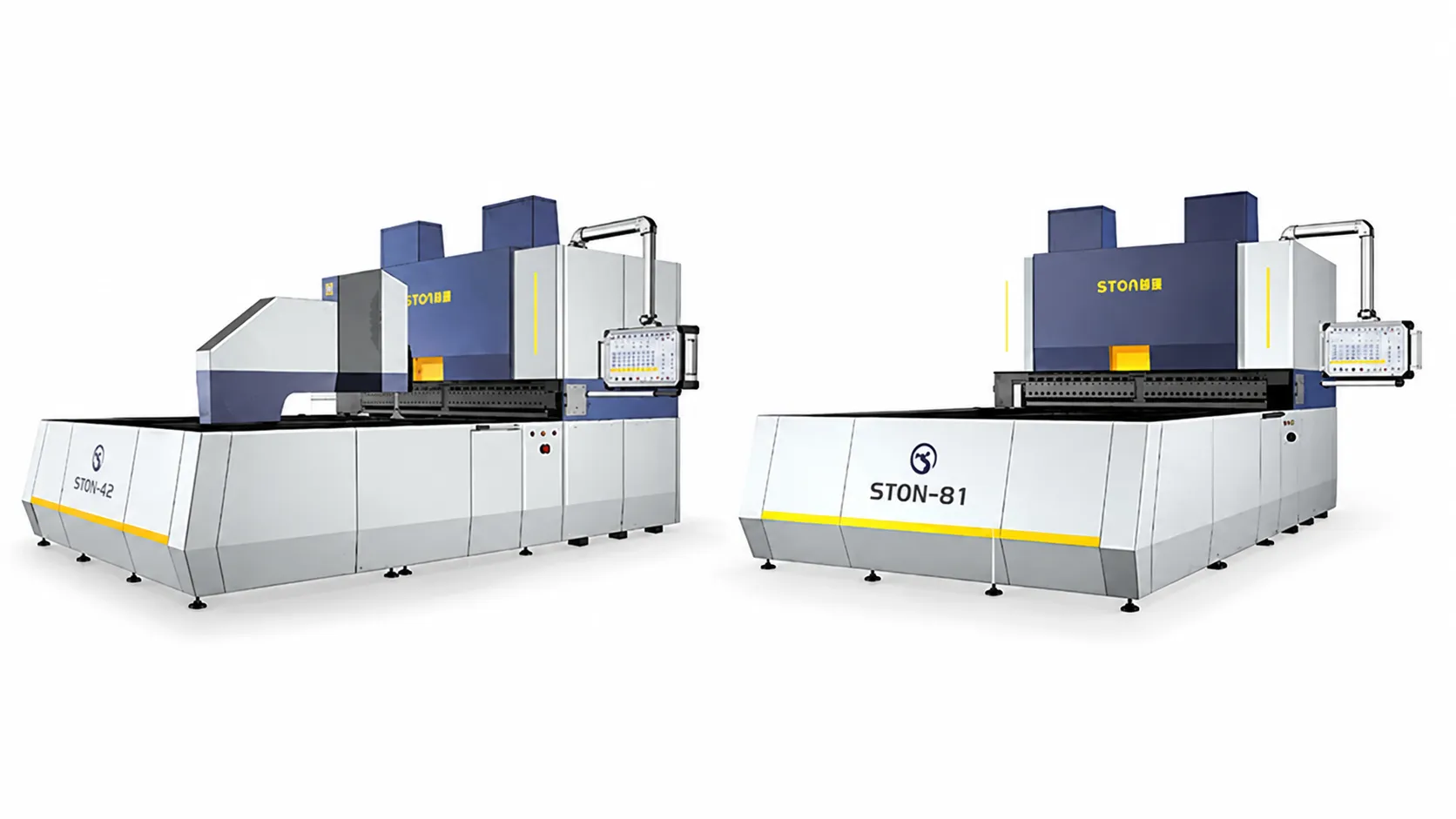

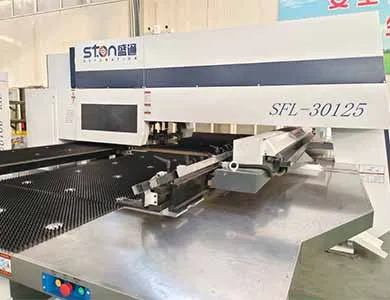
Sia che stiate aggiornando una linea esistente o iniziando un nuovo progetto, STON personalizzerà una soluzione CNC per la vostra produzione.


