Siamo responsabili della costruzione----- siamo responsabili della produzione----- siamo responsabili della formazione

Una pannellatrice CNC è un investimento importante per l'azienda. Se la manutenzione è carente, i tempi di fermo aumentano, la qualità della piegatura diminuisce e il ROI diventa lento. Con una manutenzione adeguata, operatori formati e la giusta configurazione produttiva, una pannellatrice può garantire prestazioni di piegatura stabili per molti anni.
A Curvatura pannelli CNC lifespan depends on machine quality, daily workload, lubrication, tool care, operator habits, environment, and maintenance schedule. A high-quality panel bender with proper maintenance can support long-term sheet metal bending, reduce downtime, protect bending accuracy, and improve return on investment for industrial buyers.
CNC panel bender lifespan means how long the machine can keep producing accurate sheet metal parts with stable bend quality, acceptable downtime, and reasonable maintenance cost. It is not only about how many years the machine can turn on. A machine may still run, but if bending accuracy is poor or downtime is too high, its real service life is already weak.
For industrial buyers, the lifespan of a CNC bending machine should be judged by three points: mechanical condition, control system stability, and production value. A panel bender should keep bending metal sheet parts accurately, support daily production, and avoid frequent unexpected repair.
In practical sheet metal fabrication, a good panel bender is not only equipment. It is part of your production system. It affects productivity, labor cost, delivery speed, and long-term ROI.
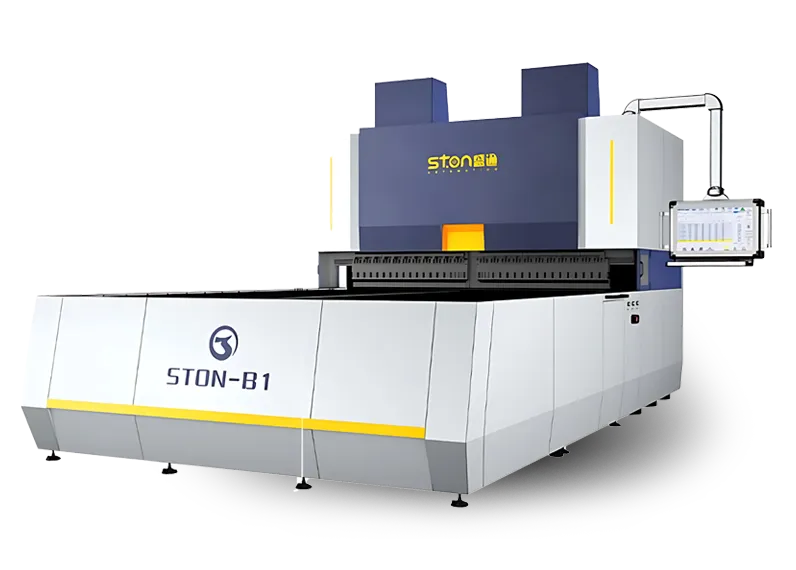
There is no single fixed answer. A CNC panel bender can last much longer when the factory uses proper maintenance, clean operation, trained operators, and correct tooling. A poorly maintained bending machine may show problems early, even if it is built well.
The useful life depends on how the machine is used. A panel bender running one shift per day in a clean electrical cabinet factory will age differently from a machine running heavy high-volume production with poor lubrication and weak maintenance control.
A practical way to think about service life:
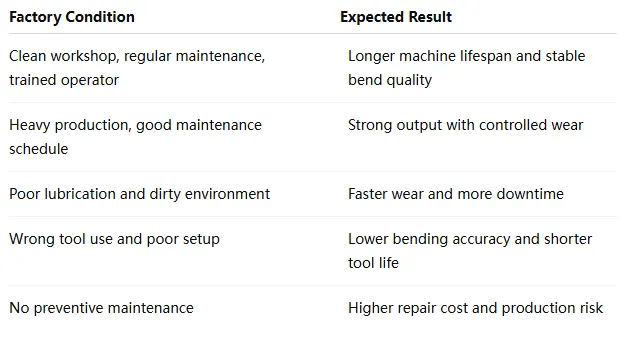
So, the better question is not only “How long does a panel bender last?” The better question is: How do we protect the bending machine so it keeps creating value?
Machine maintenance is the foundation of machine longevity. A piegatrice di pannelli has moving parts, tools, clamps, bearings, drives, electrical parts, and a CNC control system. These parts need care.
Without regular maintenance, small issues grow. A dirty guide rail may create friction. Loose fasteners may affect bending accuracy. Worn tools may scratch stainless steel. Low lubrication may damage moving parts. A blocked electrical cabinet fan may increase heat and reduce electronic life.
Good maintenance helps:
In simple words, preventive maintenance is cheaper than emergency repair.

The tool is where the bending machine touches the workpiece. If the tool is worn, dirty, or poorly matched, the bend may be wrong. Tool condition affects bend angle, surface quality, flange size, and repeatability.
The clamp is also important. It holds the metal sheet during the bending process. If the clamp does not hold the sheet evenly, the bend may shift. This affects bending accuracy and can create inconsistent parts.
Lubrication protects moving components. Poor lubrication increases friction, heat, wear, and noise. Over time, it can reduce machine performance and shorten the lifespan of the machine.
Key points to check:
Tool care is not only maintenance. It is quality control.
Some bending equipment uses hydraulic systems. Hydraulic parts need clean oil, correct pressure, good seals, and proper temperature control. If oil is dirty or pressure is unstable, machine performance may suffer.
Hydraulic maintenance often includes:
Even if a panel bender uses servo-driven systems, factories often also operate hydraulic press brake machines in the same workshop. The same principle applies: clean systems and regular inspection protect longevity.
Poor hydraulic care can cause unstable movement, lower bending accuracy, and longer downtime. Good care protects both the machine and the production plan.

The CNC control system is the brain of the panel bender. It stores programs, manages bending parameters, controls movement, and helps the operator monitor the bending process.
To protect the control system, keep the electrical cabinet clean and cool. Check fans and filters. Avoid moisture. Back up CNC programs. Train operators to use the system correctly. Do not ignore alarms.
Good CNC care includes:
A strong control system helps the panel bender automate complex bending tasks. But it needs a stable environment to work well.
The operator has a direct effect on machine lifespan. Even the best machinery can be damaged by wrong operation. Good training helps operators understand the bending process, tool limits, alarm handling, and safe operation.
Operator training should cover:
A trained operator can find problems early. They can also prevent wrong bending parameters from damaging the tool or workpiece.
Good training protects the machine. It also protects people.
STON is a China-based CNC sheet metal machinery manufacturer. We provide panel benders, turret punch presses, press brakes, laser cutting units, and automated production lines. We help global manufacturers improve processing efficiency, reduce labor costs, and build smarter factories.
PIETRA supports sheet metal fabricators, electrical cabinet factories, HVAC manufacturers, appliance producers, metal furniture makers, and machinery distributors. These buyers need stable machinery, quick technical communication, training, spare parts, and long-term support.
Link interni utili su STON:
When buyers send drawings, materials, thickness range, expected output, and automation goals, STON can help recommend a CNC panel bender, press brake, or full production line that matches long-term factory needs.
Many factories know maintenance is important, but they still make simple mistakes. These mistakes reduce machine lifespan and hurt ROI.
Avoid these problems:
A bending machine is like a production partner. If you take care of it, it works better for you.
Maintenance planning should start before the purchase, not after installation. Ask the supplier what daily, weekly, monthly, and yearly tasks are needed. Ask what spare parts are recommended. Ask how remote support works.
Before purchase, prepare:
This helps the supplier recommend the right machine and service plan. It also helps buyers avoid surprises later.
A machine with a slightly higher purchase price but better support may have lower total cost over its full lifespan.
A Curvatura pannelli CNC and a CNC press brake can both have long service life with proper maintenance. The difference is their work style and wear points.
A panel bender is often used for repeated panel bending, cabinets, covers, and enclosures. It needs strong care for clamps, bending tools, servo systems, and automatic handling parts.
A press brake is often used for flexible bending and thicker parts. A hydraulic press brake needs attention to hydraulic oil, seals, cylinders, tooling, backgauge, and ram alignment.
Many sheet metal factories use both machines. The best ROI often comes from assigning the right bending operation to the right equipment.
CNC panel benders can provide long service life when they are built with quality components, used correctly, and maintained regularly. Actual lifespan depends on workload, lubrication, tool care, operator habits, and workshop environment.
The main factors are machine quality, daily workload, regular maintenance, lubrication, tool condition, clamp stability, CNC control system care, operator training, and spare parts support.
Daily cleaning and inspection should happen every shift. Weekly, monthly, quarterly, and yearly maintenance should follow the supplier’s maintenance schedule based on workload and factory conditions.
Yes. Poor maintenance can reduce bending accuracy, create tool marks, increase downtime, and shorten machine lifespan. Worn tools, weak clamping, poor lubrication, and ignored alarms all affect bend quality.
It depends on the model, automation level, workload, and application. A panel bender may reduce labor and tool changes for repeated panel work, while a press brake may be simpler for flexible bending. Total cost should be compared by real production needs.
You can improve ROI by choosing the right machine, training operators, following preventive maintenance, reducing downtime, keeping tools in good condition, and matching the panel bender to repeated sheet metal parts.
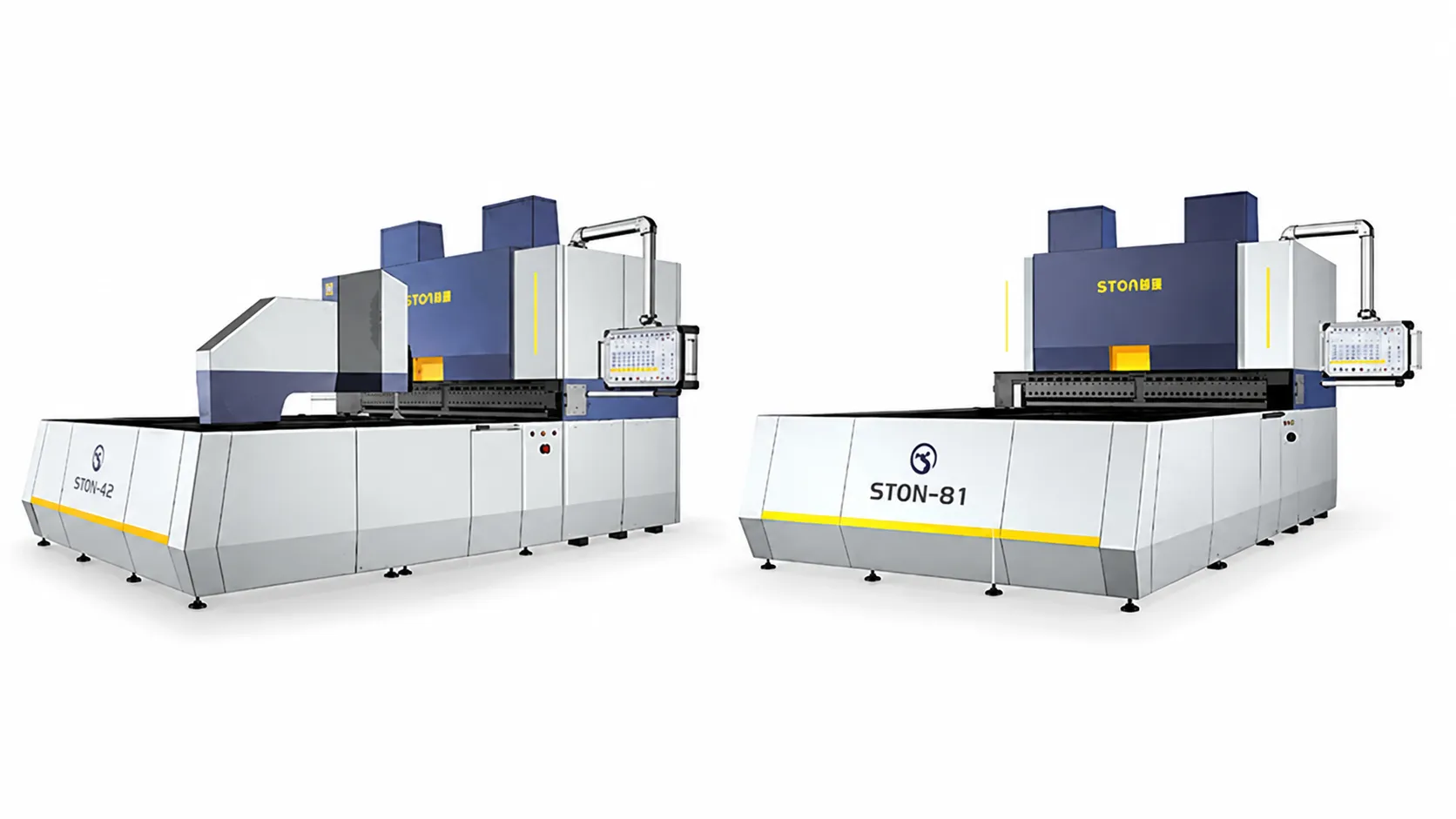

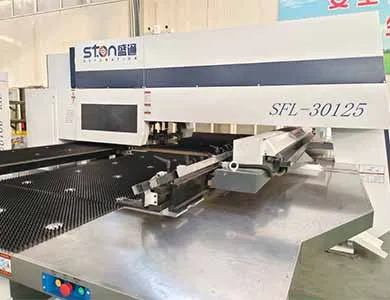
Sia che stiate aggiornando una linea esistente o iniziando un nuovo progetto, STON personalizzerà una soluzione CNC per la vostra produzione.


