Somos responsables de la construcción-----somos responsables de la fabricación-----somos responsables de la formación

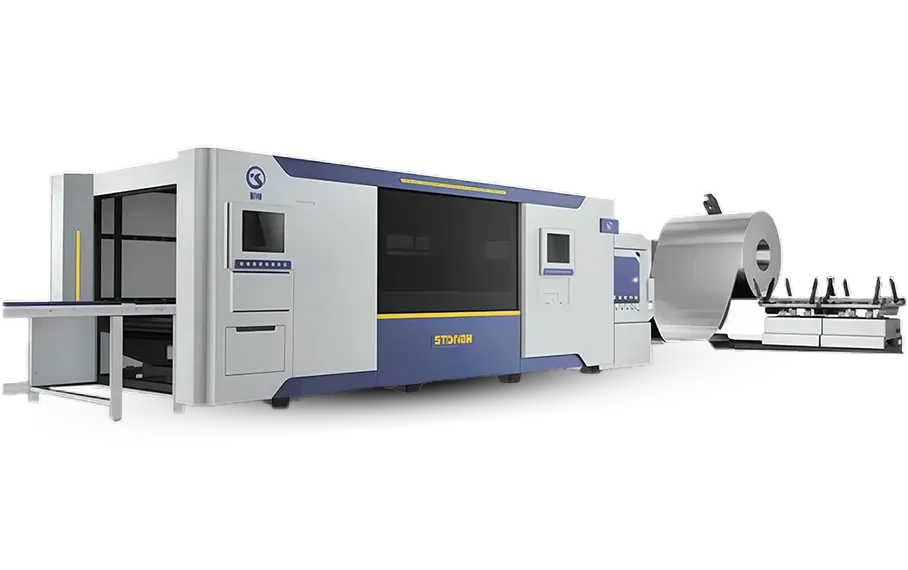
Old sheet metal work wastes time. Workers move plates by hand, machines wait, and material gets scratched or wasted. For busy factories, this hurts profit fast. An uncoiling and leveling laser cutting production line helps you uncoil, level, cut, and unload metal coil in one smarter flow.
En uncoiling and leveling laser cutting production line is an automated coil fed laser cutting system. It unwinds metal coil, levels the strip, feeds it into a fiber laser cutting machine, cuts parts by program, and sends finished blanks to unloading. It improves material utilization, cutting quality, and production efficiency for sheet metal factories.
An uncoiling and leveling laser cutting production line is a complete production system for processing metal coils. It takes coil material, lets it unwind, makes the surface flat, feeds it forward, and cuts parts with a fiber laser cutting machine. The goal is simple: turn metal coil into accurate sheet metal blanks without slow manual loading.
This type of production line is also called a coil fed laser cutting line, laser blanking line, or coil laser cutting production line. The names may change, but the working idea is the same. The line integrates uncoiling, leveling, feeding, laser cutting, and unloading into one automatic assembly line.
For factories that process many similar parts, this system is a big step forward. Instead of loading single metal sheet after single metal sheet, the machine automatically feeds material from coil. This helps improve production efficiency and product quality while reducing manual handling.
Traditional plate cutting works well for many jobs. But it has limits. Workers must load plates, position sheets, remove waste, and handle blanks. This takes time. It also increases labor cost and surface damage risk.
A coil fed production line solves many of these issues. The metal coil can keep feeding. The leveling machine makes the strip flat. The laser cutter follows the program and cuts shapes directly from the moving or positioned strip. This creates a smoother cutting process and supports continuous production.
The first step is to uncoil the material. A coil rack or decoiler holds the metal coil. The system lets the coil unwind at a controlled speed. Good automatic uncoiling is important because poor coil tension can affect feeding accuracy.
After the strip starts to unwind, it enters the leveling machine. The leveling unit uses several rollers to press and straighten the coil material. This removes coil set, waves, and small bends. A flat strip is easier to cut, easier to stack, and easier to bend later.
The line must uncoil and level in a steady way. If the level quality is poor, the laser head may face height changes. That can affect smooth cutting and cutting accuracy. For high precision sheet metal work, flatness matters. A lot.
A fiber máquina de corte por láser can process many metal materials from coil. Common options include carbon steel, stainless steel, galvanized sheet, aluminum, and other various metal materials. The exact range depends on laser power, coil width, thickness, surface condition, and customer product requirements.
In many sheet metal applications, coil material thickness is often thin to medium. For example, electrical cabinet panels, HVAC parts, appliance covers, and metal furniture panels often use thinner steel coil or stainless steel. These parts need clean edges, good flatness, and stable dimensions.
A leveling machine is not just an accessory. It directly affects cutting quality. Coil material naturally wants to curl because it has been rolled and stored under tension. If the strip is not level, it may move unevenly under the laser head.
The leveling process helps remove curve, wave, and internal stress. This gives the laser cutting machine a more stable surface. A flat metal sheet also helps later bending, welding, and assembly. Better flatness can reduce rework in the next process.
Think of it this way: the laser cutter can only perform well if the material is ready. The leveling device prepares the material. The laser head cuts it. The unloading system receives it. When these steps work together, the production line can deliver high cutting quality and stable part size.
Laser blanking means cutting flat parts or blanks from sheet or coil by laser. A laser blanking line replaces some traditional cutting equipment and molds in certain production jobs. Instead of building a mold for every shape, the factory can change the cutting program.
This is useful when product designs change often. It also helps with small-batch and medium-batch production. A laser blanking line gives flexibility. It can cut holes, slots, curves, and special shapes without physical dies.
For appliance producers, HVAC manufacturers, electrical cabinet factories, and metal furniture makers, this flexibility is valuable. The factory can react faster to orders and reduce mold cost. A laser cutting machine production line gives both automation and design freedom.
An automated production line is useful for factories that need repeatable sheet metal processing. STON often sees strong demand from electrical cabinet factories, HVAC manufacturers, appliance producers, metal furniture makers, sheet metal fabricators, and machinery distributors.
These industries need high precision, clean edges, stable blanks, and fast output. They also want fewer manual steps. Labor is not always easy to find. Skilled operators are even harder to keep. A production line helps reduce this pressure.
Common applications include:
The line for processing metal coils can support many daily products. It helps the factory move from separate workstations to a more connected flow.
A fiber máquina de corte por láser uses a focused laser beam to melt or vaporize metal along the programmed path. With the right gas and power, it can cut fast and create clean edges. For thin sheet metal, high-speed laser cutting can be very efficient.
The laser cutting machine is used for flying cutting in some coil fed systems. This means the machine is used for flying cutting while the material moves or feeds in a controlled way. The goal is to solve the problem of rapid cutting without stopping the entire line too often.
To select a laser cutting production line, start with the product, not the price. The best line depends on coil width, coil weight, material thickness, material type, part size, hole size, production volume, and downstream bending or welding needs.
Before asking for a quote, prepare this information:
This helps the supplier design the right coil production line. It also helps avoid under-sizing or over-buying. A laser cutting machine for sale may look attractive online, but a real factory needs a suitable system, not just a catalog model.
STON is a China-based CNC sheet metal machinery manufacturer. We provide panel benders, turret punch presses, press brakes, laser cutting units, and automated production lines. Our role is not only to sell machines. We help global manufacturers build smarter sheet metal processing systems.
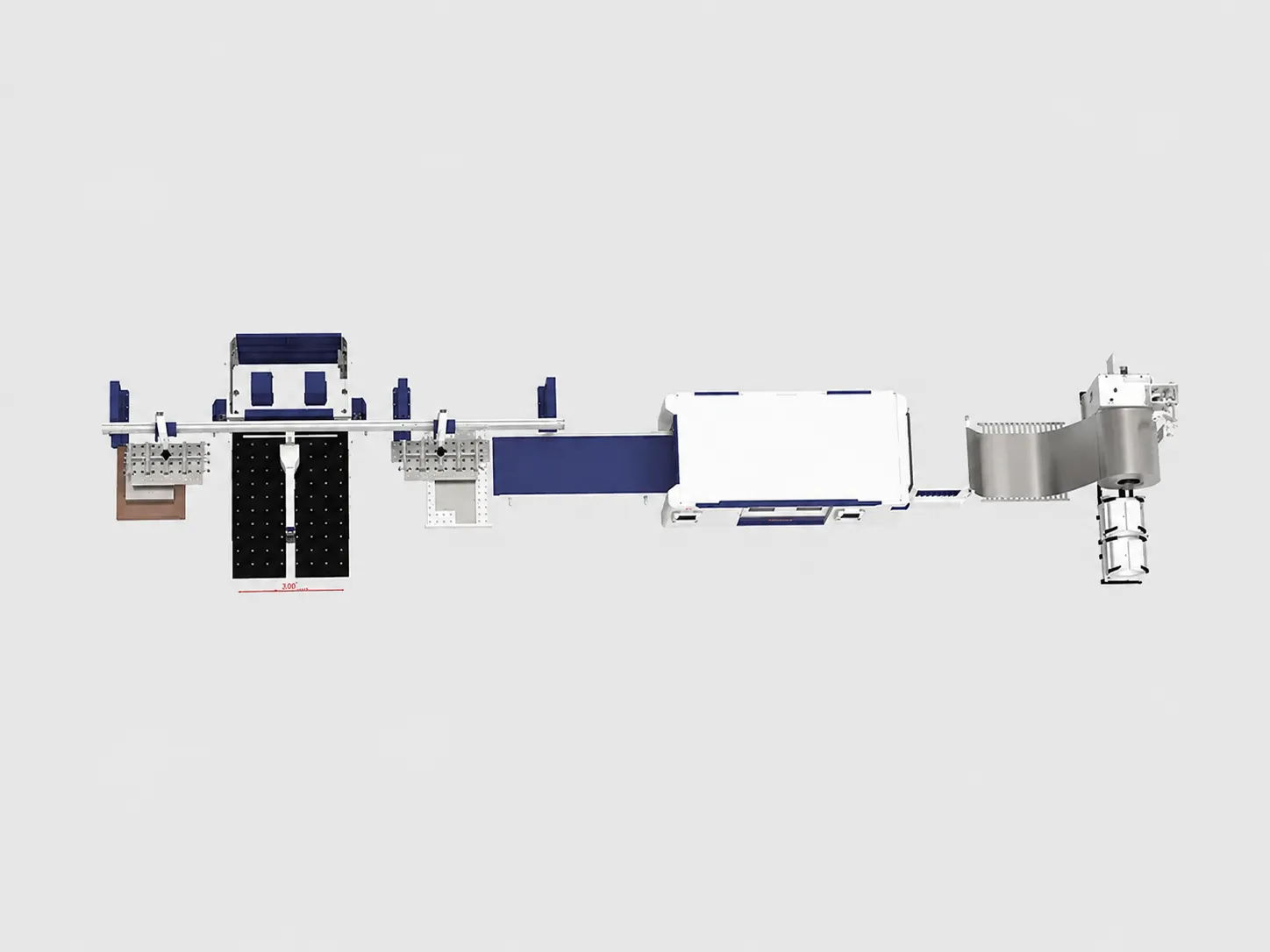
For an uncoiling and leveling fiber laser line, STON can review your coil material, product drawings, cutting needs, and factory layout. Then we can recommend a suitable configuration. This may include coil rack, leveling system, fiber laser cutting machine, material receiving platform, control system, and optional connection with downstream bending.
Useful STON resources:
Our overseas customers often care about processing efficiency, labor cost, stable parts, quick communication, installation guidance, and long-term service. STON builds around these needs.
An electrical cabinet factory used separate plate cutting and bending workstations. Workers loaded metal sheet by hand. The laser cutter waited during loading. The bending team sometimes waited for blanks. Waste was also hard to control because every plate had fixed dimensions.
The factory planned to process steel coil and galvanized coil for cabinet panels. The goal was to improve production efficiency and reduce manual handling. After reviewing the part drawings, coil width, material thickness, and daily output, a coil fed laser cutting production line became a better option.
The final workflow looked like this:
Unwind coil → level strip → feed material → laser cut parts → collect blanks → send to bending
This helped the factory build a smoother flow from cutting to unloading. It also prepared the buyer for future automation with panel bending and press brake systems.
A smart factory is not only about buying one advanced machine. It is about connecting processes. A laser cutting line can connect coil feeding, leveling, cutting, sorting, and bending data. This helps managers see production more clearly.
The line can also reduce dependence on manual loading. When workers do less heavy handling, the factory can focus more on quality control, order planning, and process improvement. That is a smarter way to grow.
For manufacturers facing labor pressure, shorter delivery times, and higher quality demand, uncoiling and leveling laser cutting is a practical upgrade. It supports automation today and leaves space for smarter production tomorrow.
It is an automated production line that unwinds metal coil, levels the strip, feeds it forward, cuts parts with a fiber laser cutting machine, and sends finished blanks to unloading.
It can cut various metal materials such as carbon steel, stainless steel, galvanized steel coil, aluminum coil, and other coil materials, depending on laser power and thickness.
It depends on your production. Coil fed laser cutting is better for continuous production, repeated parts, and better material utilization. Plate cutting is still useful for thick plates, special sheets, and small mixed orders.
Leveling makes the coil material flat. Flat material helps the laser head keep a stable focus, which supports better cutting quality and more accurate parts.
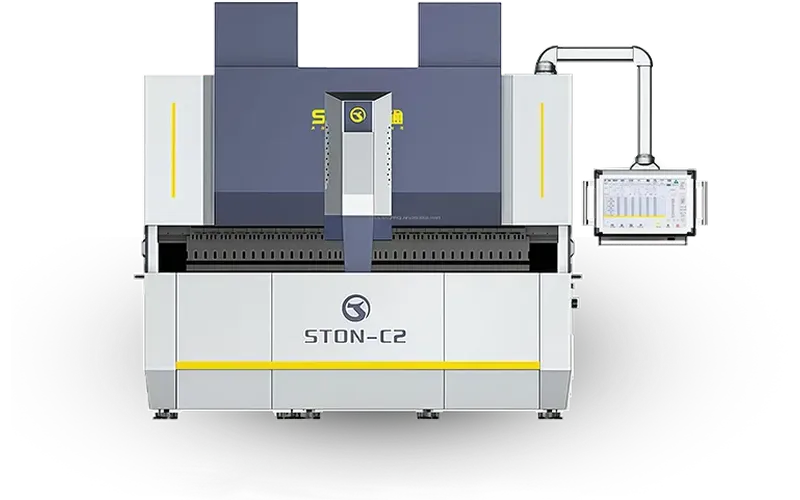
Yes. A coil laser cutting production line can be planned with downstream press brakes, panel benders, or other sheet metal equipment. STON can help design a more complete production solution.
Laser power depends on material type, thickness, cutting speed, and edge quality requirements. Send your material list and drawings to the supplier for a practical recommendation.

Tanto si está actualizando una línea existente como si está iniciando un nuevo proyecto, STON personalizará una solución CNC para su producción.


