نحن مسؤولون عن البناء-----نحن مسؤولون عن التصنيع-----نحن مسؤولون عن التدريب

Choosing the wrong bending machine can slow production, raise labor cost, and limit future automation. A press brake and a panel bender both bend sheet metal, but they solve different problems. This guide helps you compare them clearly and choose the right equipment for your factory.
A panel bender is best for repeated sheet metal panels, enclosures, cabinets, covers, and box-shaped parts with high automation needs. A press brake is better for flexible fabrication, thicker materials, special profiles, and varied bending tasks. Many modern factories use both for a balanced sheet metal production workflow.
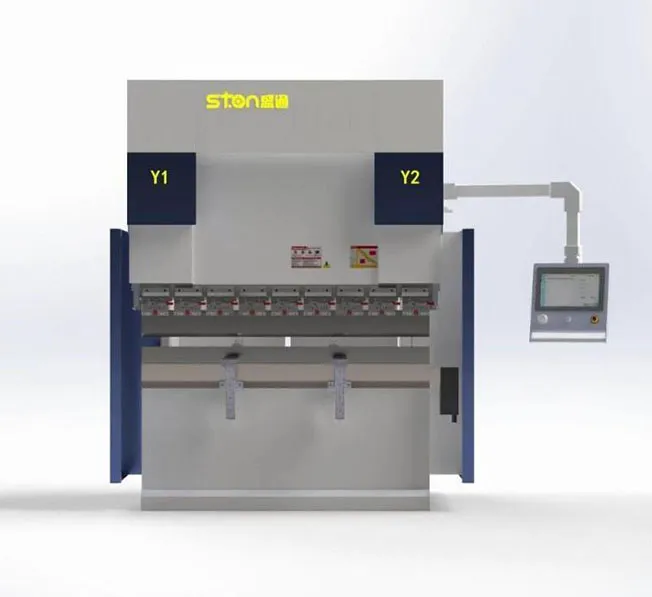
A press brake bends sheet metal by pressing the material between an upper punch and a lower die. The operator positions the metal sheet, the ram moves down, and the tool forms the bend angle. This makes the press brake a very flexible bending machine for many fabrication jobs.
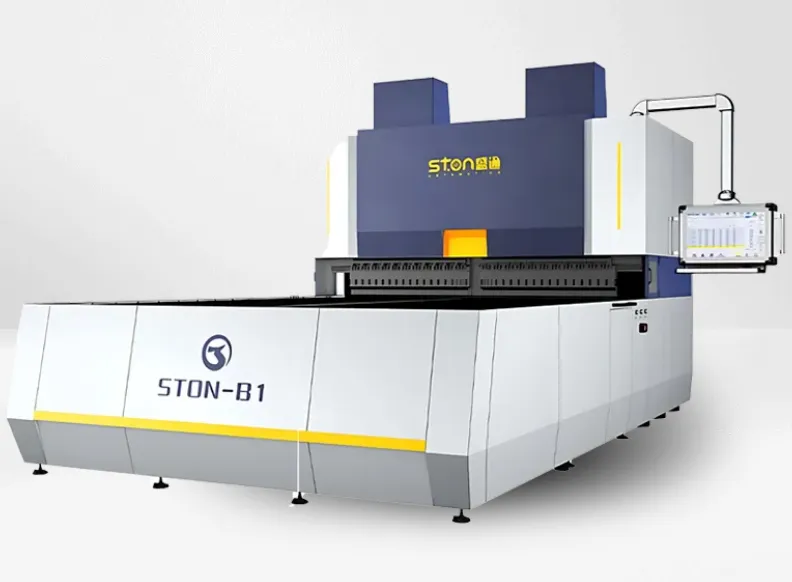
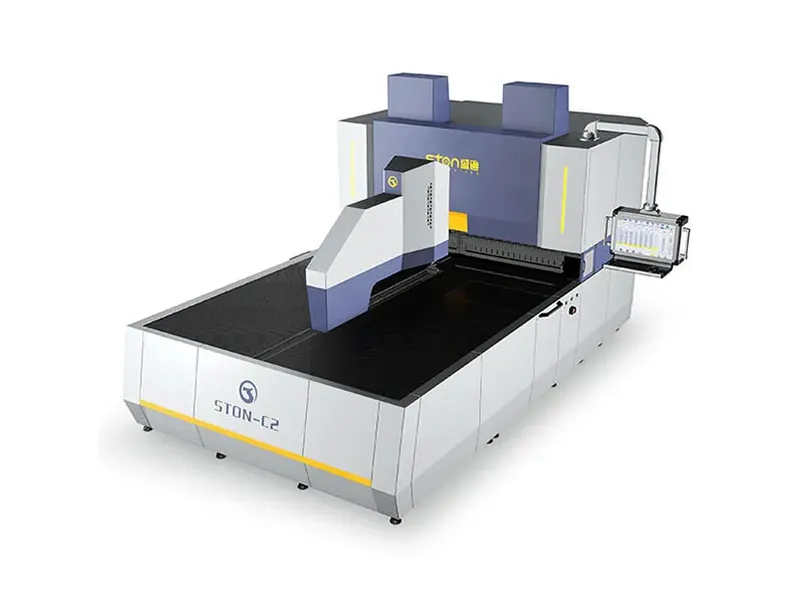
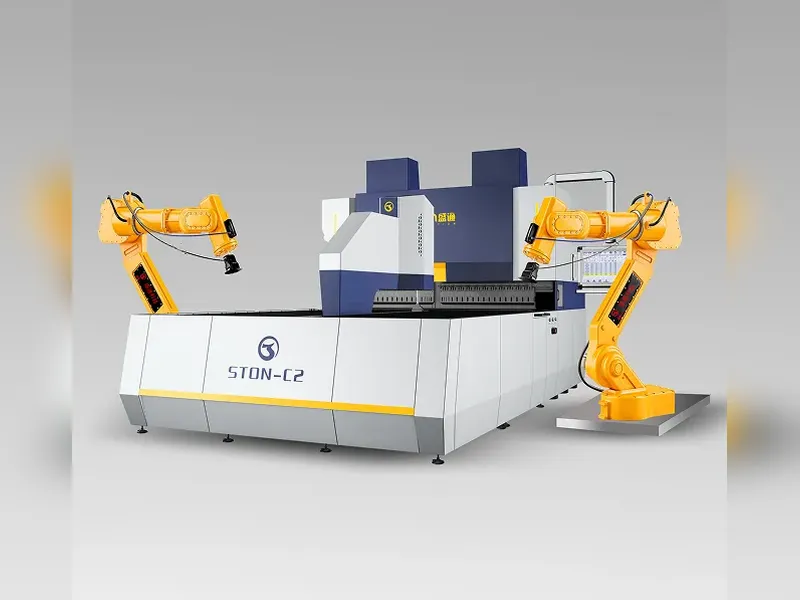
A panel bender bends sheet metal in a different way. It clamps the workpiece on a table and uses upper and lower bending blades to fold the edges up or down. The sheet is supported during the bending process, so the operator does less heavy lifting.
In simple terms, the press brake is more universal, while the panel bender is more specialized. A press brake is a machine tool for broad metal bending work. A panel bender is designed to automate repeated panel bending for cabinets, enclosures, doors, covers, and sheet metal panels.

A press brake bends sheet metal by pressing the metal between tools. The upper tool, called the punch, moves downward. The lower tool, called the die, supports the metal. The material bends along the die opening.
This bending method is common in metal fabrication because it can handle many part types. A CNC press brake can store programs, control the backgauge, and help skilled operators make accurate bends. A hydraulic press brake is often used when the factory needs strong force for thicker material.
A press brake can handle many bending tasks, including:
Press brakes offer strong flexibility. That is why they remain important in sheet metal fabrication, even when panel bender automation becomes more popular.
A panel bender uses a clamp and bending blade system. The machine holds the metal sheet in position, then the upper and lower blades fold the edge of the workpiece. The CNC control system manages the bend sequence, blade movement, and bending accuracy.
A panel bender uses a different bending method from a press brake. It does not push the sheet into a V-die. Instead, it folds the edge while the sheet stays supported on the table. This reduces manual intervention and helps improve repeatability for panel-shaped parts.
Panel benders are optimized for products such as:
This makes panel benders ideal for factories that need repeated sheet metal production with less manual handling.

Both machines can bend accurately. But they achieve precision in different ways.
A press brake depends on the tool, backgauge, material data, CNC control, and operator skill. Modern press brakes offer strong accuracy, especially when operated by skilled operators. However, large sheet metal parts often need manual support, and that can affect repeatability between shifts.
A panel bender often provides better repeatability for repeated panel parts because the workpiece is clamped and supported. The CNC system controls the bend sequence, and the machine reduces manual positioning errors. For high-volume cabinet doors or enclosure panels, panel benders often produce more consistent results.
For repeated sheet metal panels, the panel bender offers stronger accuracy and repeatability. For complex custom fabrication, the press brake may be better suited.
A panel bender is usually easier to automate for repeated panel bending. It can be connected with automatic loading and unloading, robotic handling, automatic panel positioning, and upstream laser cutting or turret punching systems.
Panel bender automation is valuable when the factory makes many similar parts. The machine can automate bend sequences, reduce operator dependence, and support faster sheet metal production. This is why many electrical cabinet factories, appliance factories, and metal furniture producers choose panel bender solutions.
A press brake can also be automated. A CNC press brake can work with robotic loading, automatic backgauge control, and smart programming. But press brake automation usually needs more careful part handling because the workpiece may need to be rotated and supported during the bend.
The right automation plan depends on what your factory bends every day.
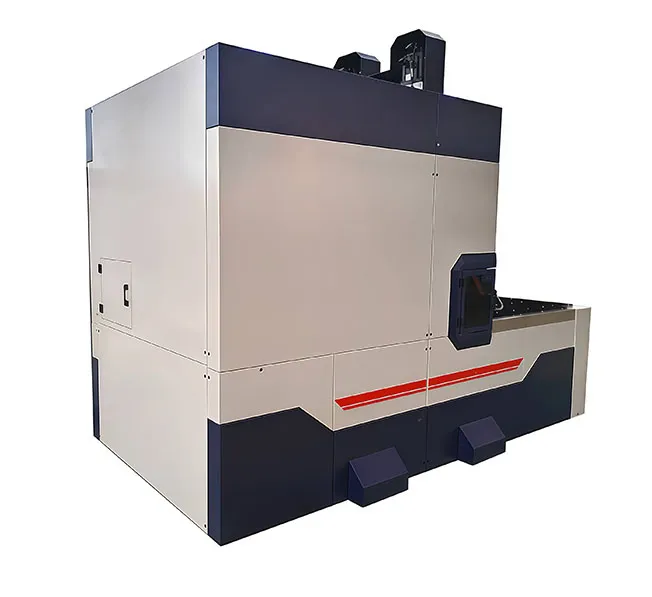
You should choose a press brake when your factory needs flexibility. If your products change often, if you bend thick sheet metal, or if your parts include many special profiles, a press brake is often the better choice.
Press brakes are versatile because the operator can change tools, adjust the setup, and handle many different bending tasks. A press brake may also be better for low-volume custom jobs where a fully automated panel bender would not be used enough.
Choose a press brake when you need:
A press brake is often the foundation machine in a metal fabrication shop. It may not be the fastest choice for repeated panels, but it is one of the most flexible bending tools.
You should choose a panel bender when your factory makes repeated sheet metal panels and wants to automate bending. A panel bender offers strong value when parts have several edge bends, consistent geometry, and high production volume.
Panel benders excel in high-volume panel production because they reduce manual handling and improve repeatability. They are especially useful for sheet metal cabinets, enclosures, appliance panels, HVAC parts, and metal furniture.
Choose a panel bender when you need:
A panel bender offers clear value when the same product family repeats often. If your factory has enough repeated panel work, the return on investment can be strong.
Tools affect both machines, but in different ways. A press brake relies heavily on press brake tooling. The punch, die, V opening, radius, and tool height all affect the bend result. Press brakes require specific tools for many bending jobs, especially when the part mix changes often.
Panel benders use bending blades, clamps, and often universal-style tooling for many panel jobs. Panel benders use universal bending tools in some designs, helping reduce downtime and tool changing for repeated sheet metal panels.
If your products are repeated panels, the panel bender can reduce tool changes. If your factory needs many special bends, the press brake may give better tooling flexibility.
Panel benders are powerful, but they have limits. They are not always the best choice for thick parts, very unusual shapes, deep profiles, or highly random work.
Common limitations of panel benders include:
These limitations do not mean panel benders are weak. They simply mean panel benders are best suited for the right application: repeated panel-style sheet metal parts.
A buyer should not ask, “Which machine is better?” The better question is, “Which machine is better for my parts?”
Many factories use both a panel bender and press brake. This is often the smartest setup.
The panel bender handles repeated cabinet doors, covers, enclosures, boxes, trays, and metal panels. The press brake handles thick parts, small custom jobs, special profiles, and flexible fabrication work.
A balanced workflow may look like this:
Laser cutting → turret punching → panel bending for repeated panels → press brake for special parts → welding or assembly
This lets each machine do what it does best. The factory gains automation without losing flexibility.
For growing factories, this mixed setup can improve production efficiency, reduce labor pressure, and support more order types.
ستون is a China-based CNC sheet metal machinery manufacturer. We provide panel benders, turret punch presses, press brakes, laser cutting units, and automated production lines. We are positioned as a sheet metal automation solution provider for global manufacturers.
STON helps sheet metal fabricators, electrical cabinet factories, HVAC manufacturers, appliance producers, metal furniture makers, and machinery distributors choose machines based on real production needs. We do not only ask, “Do you want a panel bender?” We ask, “What do you need to bend, how often, and what is your future automation plan?”
Useful STON internal links:
When buyers share drawings, materials, product size, output targets, and layout, STON can recommend a panel bender, press brake, or combined automation solution.
When buyers share drawings, materials, product size, output targets, and layout, STON can recommend a panel bender, press brake, or combined automation solution.
The biggest mistake is thinking a panel bender and press brake are direct replacements for each other. They overlap in some areas, but they are not the same machine.
Common buyer mistakes include:
The safest approach is simple: share real drawings, real materials, and real output targets with the supplier before buying.
A press brake bends sheet metal with a punch and die. A panel bender folds sheet metal edges with bending blades while the workpiece stays supported on a table.
A panel bender is better for repeated panels, cabinets, covers, and enclosures. A press brake is better for flexible fabrication, thicker materials, and special profiles.
Not always. A panel bender can replace some repeated panel bending work, but a press brake is still useful for thick parts, custom jobs, and varied bending tasks.
A panel bender is usually easier to automate for repeated sheet metal panels. A CNC press brake can also be automated, especially with robotic loading and advanced CNC control.
A press brake is often better for small-batch and custom fabrication because it is more versatile. A panel bender is better when the same panel-style parts repeat often.
Choose by reviewing your product drawings, material thickness, bend length, part geometry, batch size, operator skill, labor cost, and automation goals. Many factories benefit from using both.
سواء أكنت تقوم بترقية خط إنتاج قائم أو تبدأ مشروعًا جديدًا، فإن STON ستخصص حلاً بنظام التحكم الرقمي للإنتاج الخاص بك.


